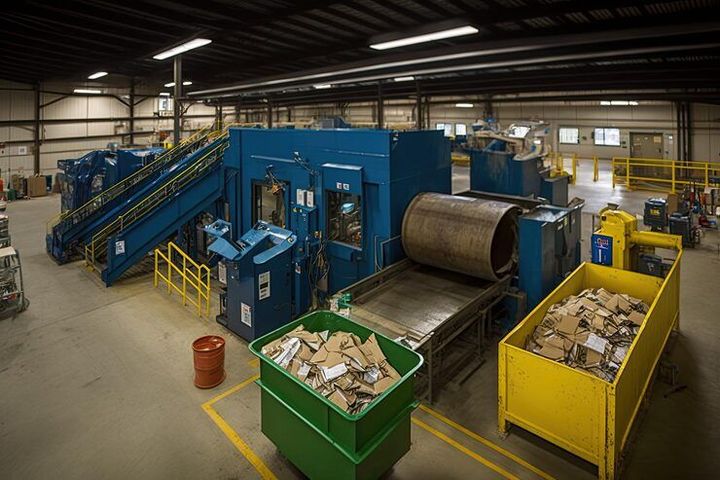
Recycling Machines Guide to Waste Processing Systems and Industrial Recycling Technology
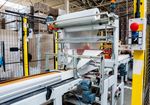
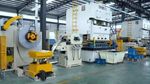
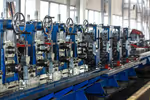
Recycling machines are specialized systems designed to process discarded materials and convert them into reusable resources. These machines support waste management efforts by reducing landfill accumulation, conserving raw materials, and improving environmental sustainability. Industries, municipalities, and recycling facilities use recycling equipment to handle materials such as plastics, paper, metals, glass, rubber, and electronic waste.
As global waste production continues to increase, recycling technology has become an important part of environmental management. Modern recycling systems now include automation, artificial intelligence, robotic sorting, and energy-efficient processing methods that improve recovery rates and operational efficiency.
Understanding the Purpose of Recycling Machines
The primary purpose of recycling machines is to separate, process, clean, and prepare waste materials for reuse in manufacturing or industrial applications. These systems help reduce dependence on natural resources while supporting circular economy practices.
Recycling machines can process large quantities of waste materials more efficiently than manual methods. They also improve safety in waste handling and reduce contamination during sorting and recovery.
How Recycling Machines Work
Most recycling systems follow a structured process that transforms waste into reusable materials. Although the exact method varies depending on the material type, the overall workflow is generally similar.
| Recycling Stage | Main Function |
|---|---|
| Collection | Waste materials are gathered from households, industries, or facilities |
| Sorting | Materials are separated by type using sensors, magnets, or manual systems |
| Shredding | Waste is reduced into smaller pieces for easier processing |
| Cleaning | Dirt, chemicals, or contaminants are removed |
| Processing | Materials are melted, compressed, or refined |
| Output Preparation | Recycled materials are prepared for manufacturing use |
Advanced facilities often use conveyor systems, optical sensors, and automated controls to improve sorting precision and productivity.
Types of Recycling Machines
Different recycling materials require different machine designs and technologies.
Plastic Recycling Machines
- Plastic shredders
- Plastic washing systems
- Extruders and pelletizers
- Bottle crushing equipment
- Film recycling systems
Plastic recycling equipment converts used plastic into reusable pellets or flakes used in manufacturing packaging, containers, automotive parts, and construction materials.
Metal Recycling Machines
- Metal shredders
- Magnetic separators
- Hydraulic balers
- Scrap compactors
- Metal crushers
These systems process aluminum, steel, copper, and other metals. Magnetic technology helps separate ferrous and non-ferrous materials efficiently.
Paper Recycling Machines
- Pulping systems
- Paper shredders
- Dewatering machines
- Fiber recovery systems
Paper recycling machines help recover cellulose fibers for reuse in paper manufacturing while reducing deforestation and water consumption.
Glass Recycling Machines
- Glass crushers
- Pulverizers
- Cleaning systems
- Sorting equipment
Processed glass materials are reused in bottles, insulation products, road materials, and construction applications.
Electronic Waste Recycling Machines
- Circuit board separators
- Cable granulators
- Precious metal recovery systems
- Battery recycling equipment
E-waste recycling systems help recover valuable metals such as gold, silver, copper, and lithium while reducing hazardous waste pollution.
Important Components in Recycling Systems
Modern recycling plants include multiple interconnected machines and support systems.
Conveyor Systems
Conveyors move materials between processing stages while reducing manual handling requirements.
Sorting Technologies
- Optical sorting sensors
- Infrared scanners
- Magnetic separators
- Air classification systems
These technologies improve sorting accuracy and reduce contamination levels.
Shredders and Crushers
Shredders break down waste materials into smaller pieces for efficient transport and processing.
Balers compress recyclable materials into compact blocks for storage and transportation efficiency.
Industrial recycling operations often include filtration and air management systems to improve workplace safety and reduce environmental emissions.
Importance of Recycling Machines in Waste Management
Recycling machines support environmental protection and resource conservation in several ways.
Reduced Landfill Waste
Efficient recycling systems lower the amount of waste sent to landfill facilities, helping reduce land use and soil contamination.
Recovered materials reduce the need for mining, logging, and petroleum extraction.
Lower Energy Consumption
Producing materials from recycled sources often requires less energy than manufacturing from raw resources.
Recycling technology helps materials remain in productive use for longer periods instead of becoming waste.
Manufacturers increasingly use recycled materials to meet sustainability targets and environmental regulations.
Real-World Applications of Recycling Machines
Recycling technology is used across many industries and public infrastructure systems.
Municipal Waste Facilities
Cities and municipalities use automated recycling systems to process household waste streams more efficiently.
Factories recycle production waste including plastics, metals, paper, and packaging materials.
Construction recycling equipment processes concrete, wood, asphalt, and metal debris for reuse.
Automotive Sector
Vehicle recycling systems recover steel, aluminum, rubber, batteries, and electronic components from old vehicles.
Specialized facilities recover reusable materials from discarded electronics and reduce hazardous waste exposure.
Problems Recycling Machines Help Solve
Global waste management faces several environmental and operational challenges. Recycling systems address many of these concerns.
Waste Accumulation
Rapid urbanization and industrialization generate increasing waste volumes that require efficient handling systems.
Recycling helps reduce pressure on natural resource extraction activities.
Pollution Control
Proper recycling reduces plastic pollution, electronic waste contamination, and greenhouse gas emissions associated with landfill operations.
Advanced automation improves recovery rates and minimizes recyclable material loss.
Automated machinery reduces direct human exposure to hazardous waste materials and repetitive manual tasks.
Recent Trends and Developments in Recycling Technology
The recycling industry has seen major technological advancements during 2025 and 2026.
AI-Based Sorting Systems
Artificial intelligence and machine vision systems are improving material identification accuracy in recycling facilities.
AI-powered optical sorting can detect different plastic grades, colors, and contamination levels more effectively.
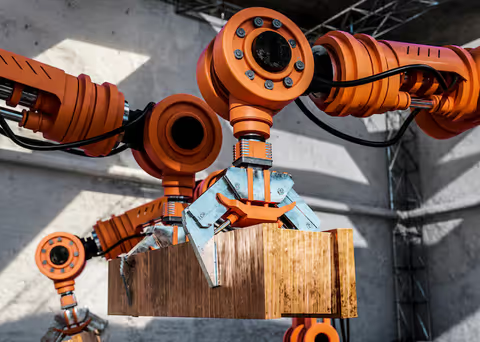
Robotic arms equipped with advanced sensors are increasingly used in automated waste sorting operations.
These systems improve processing speed and reduce operational errors.
Smart Recycling Monitoring
Internet-connected monitoring systems now provide real-time operational data, predictive maintenance alerts, and efficiency tracking.
The rise of electric vehicles has increased demand for lithium-ion battery recycling systems.
New technologies focus on safer material recovery from used batteries.
Energy-Efficient Recycling Equipment
Manufacturers are introducing recycling systems with lower electricity consumption and improved heat recovery mechanisms.
Chemical recycling methods are gaining attention for processing difficult plastic materials that traditional mechanical recycling cannot easily handle.
Regulations and Environmental Policies
Many countries have introduced policies encouraging recycling technology adoption and waste reduction.
Extended Producer Responsibility Programs
Manufacturers in several regions are required to support recycling and waste management programs for their products.
Governments have implemented e-waste handling regulations to reduce hazardous material disposal risks.
Plastic Waste Reduction Policies
Several countries introduced stricter rules in 2025 regarding single-use plastics and recycling targets.
Recycling facilities must often comply with air quality, wastewater, and noise control regulations.
Useful Tools and Learning Resources
Professionals and organizations use various tools and educational resources to improve recycling operations.
Industrial Monitoring Platforms
- Smart waste monitoring systems
- Facility automation software
- Material tracking platforms
- Predictive maintenance tools
Industry Organizations
- International Solid Waste Association
- Bureau of International Recycling
- Environmental Protection Agencies
- Circular economy research institutes
Educational Resources
- Environmental engineering courses
- Waste management certification programs
- Sustainability research publications
- Recycling technology webinars
FAQs
What materials can recycling machines process?
Recycling machines can process plastics, metals, paper, glass, rubber, textiles, organic waste, and electronic components depending on the system design.
Are recycling machines fully automated?
Some facilities use fully automated systems, while others combine automation with manual inspection and quality control processes.
Why is e-waste recycling important?
Electronic waste contains hazardous substances and valuable metals. Proper recycling reduces pollution and supports resource recovery.
How do optical sorting systems work?
Optical sorting systems use cameras, infrared sensors, and AI software to identify and separate materials based on shape, color, and composition.
What industries commonly use recycling machines?
Manufacturing, construction, automotive, electronics, packaging, and municipal waste management industries frequently use recycling equipment.
Conclusion
Recycling machines play a major role in modern waste management and environmental sustainability. These systems help recover valuable materials, reduce landfill waste, conserve resources, and improve industrial efficiency. As global waste production increases, advanced recycling technologies such as AI-powered sorting, robotic automation, and energy-efficient processing continue to improve recycling performance and environmental outcomes.
Industries and governments are increasingly adopting recycling systems to support circular economy goals and reduce environmental impact. With continued technological innovation and stronger sustainability policies, recycling machines are expected to remain an essential part of future waste management infrastructure.