Industrial Steam Boiler: Learn About Industrial Steam Applications
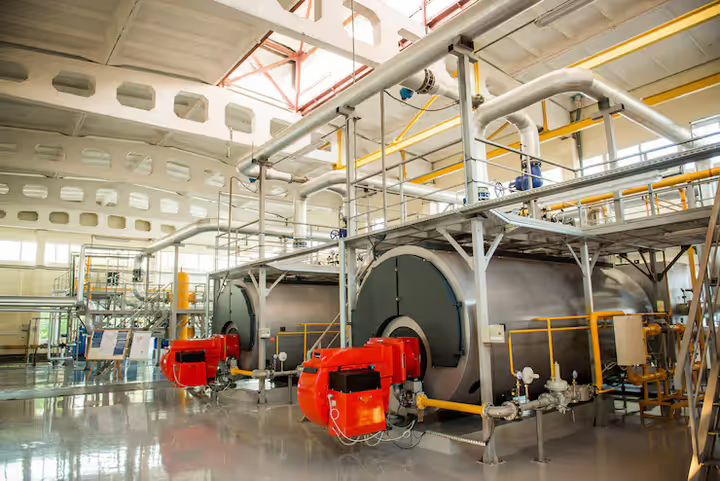
An industrial steam boiler is a heating system designed to generate steam for manufacturing, processing, power generation, and industrial operations. It converts water into steam by applying heat energy from fuel sources such as natural gas, biomass, diesel, coal, or electricity.
Steam plays a critical role in many industries because it transfers heat efficiently and supports high-temperature industrial processes. Industrial steam boilers are commonly used in food production, textile manufacturing, chemical plants, pharmaceutical processing, paper mills, oil refineries, and thermal power facilities.
Modern industrial boiler systems focus on energy efficiency, automation, emission reduction, and workplace safety. Many industries now use advanced boiler monitoring systems and industrial energy management software to improve operational performance and reduce fuel consumption.
How Industrial Steam Boilers Work
Industrial steam boilers operate through a controlled heating process. Water enters the boiler system and is heated using combustion or electrical heating elements. As the temperature increases, water changes into steam under pressure.
The generated steam then moves through pipelines to industrial equipment, turbines, heat exchangers, or processing units. After use, condensate may return to the boiler for reheating and reuse.
The process generally includes:
Main Operational Stages
- Water treatment and feedwater supply
- Fuel combustion or electric heating
- Heat transfer through boiler tubes
- Steam generation under pressure
- Steam distribution to industrial systems
- Condensate recovery and recycling
Efficient steam circulation helps industries maintain stable temperatures and consistent production quality.
Main Components of an Industrial Steam Boiler
Industrial boiler systems contain several essential components that support steam production and safe operation.
Key Boiler Components
- Boiler shell
- Burner system
- Combustion chamber
- Heat exchanger tubes
- Steam drum
- Feedwater pump
- Economizer
- Pressure gauges
- Safety valves
- Control panel
- Water level indicators
- Blowdown system
Modern industrial automation systems allow operators to monitor pressure, temperature, fuel flow, and efficiency in real time.
Common Types of Industrial Steam Boilers
Different industries use different boiler designs depending on steam demand, fuel availability, and operational requirements.
| Boiler Type | Main Feature | Common Applications |
|---|---|---|
| Fire Tube Boiler | Hot gases pass through tubes | Food processing, small factories |
| Water Tube Boiler | Water circulates inside tubes | Power plants, chemical industries |
| Electric Boiler | Uses electrical heating | Pharmaceutical and laboratory use |
| Biomass Boiler | Uses organic fuel materials | Sustainable energy facilities |
| Waste Heat Boiler | Recovers heat from exhaust gases | Refineries and industrial plants |
| High Pressure Boiler | Produces steam at high pressure | Power generation systems |
Water tube boilers are widely used in large industrial environments because they support higher steam pressure and faster heat transfer.
Importance of Industrial Steam Boilers
Industrial steam boilers support critical manufacturing and energy operations worldwide. Their ability to provide reliable thermal energy makes them essential in modern industry.
Steam systems improve productivity, maintain process stability, and support temperature-sensitive industrial applications.
Major Industrial Benefits
- Efficient heat transfer capability
- Stable industrial process control
- High-temperature steam generation
- Support for continuous production systems
- Energy recovery opportunities
- Integration with industrial automation platforms
- Reduced operational downtime
Many industries also use smart boiler controls to improve energy efficiency and lower environmental impact.
Industrial Applications of Steam Boilers
Industrial steam boilers are used across multiple sectors because steam is versatile and effective for heating and mechanical processes.
Common Industrial Uses
- Food sterilization and cooking
- Textile dyeing and fabric processing
- Chemical manufacturing
- Pharmaceutical production
- Oil refinery operations
- Paper and pulp processing
- Thermal power generation
- Hospital sterilization systems
- Brewing and beverage production
- Metal processing industries
In thermal power plants, high-pressure steam drives turbines to generate electricity. In pharmaceutical facilities, clean steam systems support sterilization and contamination control.
Energy Efficiency and Environmental Impact
Energy efficiency has become a major focus in industrial boiler technology. Boilers consume significant fuel resources, so industries aim to improve thermal efficiency while reducing emissions.
Modern systems use technologies such as:
Energy Optimization Technologies
- Condensing economizers
- Variable frequency drives
- Smart combustion controls
- Oxygen trim systems
- Heat recovery systems
- Automated boiler monitoring
- Low NOx burner technology
These technologies help industries reduce fuel waste and improve energy management performance.
Environmental regulations in many countries now require industries to reduce greenhouse gas emissions and improve industrial sustainability practices.
Boiler Safety Standards and Regulations
Industrial steam boilers operate under high pressure, making safety extremely important. Governments and industrial safety organizations establish regulations to protect workers and facilities.
Several international standards guide boiler operation and inspection.
Important Boiler Regulations
- ASME Boiler and Pressure Vessel Code
- ISO industrial safety standards
- Occupational safety regulations
- Emission control regulations
- Pressure equipment directives
- Industrial environmental compliance rules
Regular inspection, water treatment, and preventive maintenance help reduce risks such as corrosion, pressure buildup, and equipment failure.
Boiler operators often require technical training to ensure safe system operation and emergency response readiness.
Smart Boiler Technology and Automation Trends
Industrial automation continues to transform boiler operations. Smart industrial steam boilers now use digital monitoring systems, sensors, and cloud-based industrial management platforms.
Between 2025 and 2026, many manufacturers expanded investments in industrial IoT integration and predictive maintenance technology.
Recent developments include:
Recent Industry Trends
- AI-based boiler performance monitoring
- Cloud-connected industrial control systems
- Remote diagnostics platforms
- Predictive maintenance analytics
- Low-emission combustion technology
- Hydrogen-ready boiler research
- Biomass energy integration
- Carbon reduction initiatives
In 2025, several industrial equipment manufacturers introduced advanced burner management systems designed to improve combustion efficiency and reduce industrial emissions.
Industries are also exploring renewable fuel integration, including hydrogen blending and biomass combustion systems.
Maintenance and Operational Challenges
Industrial steam boilers require regular maintenance to maintain efficiency and safe operation. Poor maintenance can lead to energy loss, scaling, corrosion, and equipment failure.
Common Boiler Problems
- Tube corrosion
- Mineral scale buildup
- Steam leakage
- Pressure instability
- Fuel combustion inefficiency
- Water contamination
- Heat loss
- Burner malfunction
Routine inspections and water treatment programs help extend boiler lifespan and maintain operational reliability.
Many facilities now use predictive maintenance software and industrial monitoring sensors to identify issues before major failures occur.
Useful Tools and Learning Resources
Industries and engineers use various tools and educational resources to improve boiler management and technical understanding.
Helpful Industrial Resources
- Industrial automation platforms
- Boiler efficiency calculators
- Energy management software
- Steam system monitoring sensors
- Thermal engineering training programs
- Industrial safety certification courses
- ASME technical publications
- Industrial maintenance management systems
Engineering organizations and industrial training institutes also provide technical documentation related to boiler inspection and energy optimization.
What is the main purpose of an industrial steam boiler?
An industrial steam boiler generates steam for heating, manufacturing, sterilization, power generation, and industrial processing applications.
Which industries commonly use steam boilers?
Steam boilers are commonly used in food processing, pharmaceuticals, chemical manufacturing, textiles, oil refining, power generation, and paper production industries.
What is the difference between fire tube and water tube boilers?
Fire tube boilers pass hot gases through tubes surrounded by water, while water tube boilers circulate water inside tubes heated externally by combustion gases.
Why is boiler water treatment important?
Water treatment helps prevent corrosion, scale buildup, and damage to boiler components. Proper treatment improves efficiency and extends equipment lifespan.
What are smart industrial boilers?
Smart industrial boilers use sensors, automation systems, cloud monitoring, and predictive maintenance technology to improve efficiency, safety, and operational control.
Conclusion
Industrial steam boilers remain essential for global manufacturing, processing, and energy production. They provide reliable thermal energy for industries that require precise temperature control and continuous operation.
Modern boiler systems increasingly focus on energy efficiency, digital automation, emission reduction, and operational safety. Technologies such as industrial IoT monitoring, smart combustion controls, and predictive maintenance are transforming how steam systems operate in industrial environments.
As industries continue improving sustainability and energy management practices, industrial steam boilers will remain a critical part of industrial infrastructure and advanced manufacturing systems.