Cable Manufacturing Machines Guide for Industrial Wire Production
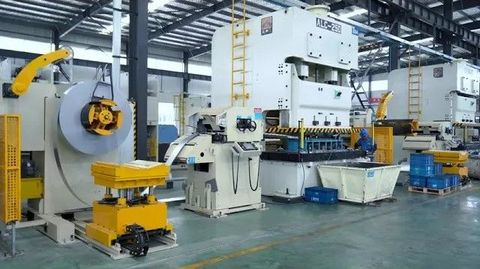
Cable manufacturing machines are industrial systems designed to produce electrical cables, communication wires, fiber optic lines, and power transmission products. These machines support industries such as telecommunications, automotive manufacturing, construction, renewable energy, and consumer electronics.
Modern cable production requires precision, safety, and efficiency. Cable manufacturing equipment helps industries create durable and standardized cables that can handle electrical transmission, data transfer, and harsh environmental conditions. Automated systems also improve production speed while reducing material waste and operational errors.
The global expansion of electric vehicles, renewable energy infrastructure, smart buildings, and industrial automation has increased the demand for advanced wire and cable production equipment.
How Cable Manufacturing Machines Work
Cable production involves several stages. Different machines perform specialized tasks to transform raw metal into insulated and finished cables.
The process usually starts with metal wire drawing. Copper or aluminum rods are reduced into thinner wires through multiple drawing dies. After drawing, the wires move through annealing systems that improve flexibility and conductivity.
The next stage involves stranding, where multiple wires are twisted together to improve strength and electrical performance. Insulation machines then apply protective layers made from materials such as PVC, XLPE, or rubber.
Finally, sheathing, testing, printing, and packaging machines complete the manufacturing cycle.
Main Types of Cable Manufacturing Machines
Wire Drawing Machines
- Reduce copper or aluminum rod diameter
- Improve wire consistency
- Support high-speed metal processing
- Used in power cable and communication cable production
Annealing Machines
- Heat wires to improve flexibility
- Reduce brittleness during cable bending
- Enhance electrical conductivity
Stranding Machines
- Twist multiple wires together
- Create stronger cable structures
- Used for industrial and automotive cables
Extrusion Machines
- Apply insulation and protective coatings
- Support thermoplastic and polymer materials
- Essential for electrical safety standards
- Combine insulated conductors into complete cable assemblies
- Used for multi-core cables and data transmission systems
Armoring Machines
- Add steel or aluminum protection layers
- Improve mechanical durability
- Common in underground and marine cables
Testing and Quality Control Systems
- Detect insulation defects
- Measure voltage resistance
- Ensure compliance with industrial regulations
Important Components in Cable Production Systems
| Component | Function |
|---|---|
| Payoff System | Feeds raw wire into machinery |
| Drawing Die | Reduces wire thickness |
| Cooling Unit | Controls material temperature |
| Extruder Head | Applies insulation coating |
| Take-Up System | Collects finished cable |
| PLC Control Panel | Automates machine operations |
| Spark Tester | Detects insulation damage |
| Printing Unit | Adds cable identification markings |
Importance of Cable Manufacturing Machines
Cable production machinery supports many critical industries. Reliable cables are essential for electricity distribution, communication networks, industrial automation, transportation systems, and renewable energy projects.
Advanced machinery helps manufacturers:
- Maintain production consistency
- Improve electrical safety
- Reduce material waste
- Increase manufacturing speed
- Meet international quality standards
- Support large-scale infrastructure projects
Industrial automation has also improved operational efficiency through programmable logic controllers, real-time monitoring systems, and AI-driven production analysis.
Real-World Applications
Cable manufacturing machines are used across many industries worldwide.
Energy and Power Distribution
- Power transmission cables are essential for electrical grids, solar farms, and wind energy systems.
- High-voltage cable production requires advanced insulation and testing equipment.
- Fiber optic and communication cable systems support internet infrastructure, mobile networks, and data centers.
- Precision manufacturing ensures signal reliability and reduced transmission loss.
Automotive Industry
- Electric vehicles require specialized battery cables, charging systems, and heat-resistant wiring.
- Automated cable machinery supports large-scale EV production.
Construction and Infrastructure
- Residential and commercial buildings rely on durable electrical wiring systems for lighting, networking, and safety systems.
- Aircraft and defense systems use lightweight, high-performance cables designed for extreme environmental conditions.
Problems Solved by Modern Cable Machinery
Traditional manual cable production often caused inconsistent quality, higher defect rates, and slower manufacturing speeds. Modern machinery addresses these challenges through automation and precision engineering.
Key problems solved include:
- Uneven insulation thickness
- Wire breakage during production
- Excessive raw material waste
- Poor conductivity consistency
- Production downtime
- Quality control limitations
Automated inspection systems now identify production issues in real time, reducing manufacturing errors and improving operational reliability.
Automation and Smart Manufacturing
Industrial automation is becoming a major trend in cable manufacturing. Smart production systems use sensors, machine learning, and industrial software to improve efficiency.
Modern systems may include:
- Real-time production monitoring
- Automated defect detection
- Predictive maintenance systems
- Energy-efficient motor controls
- Digital twin simulations
- Remote production management
Factories are increasingly integrating Industrial Internet of Things (IIoT) technologies to optimize manufacturing workflows and reduce operational disruptions.
Recent Trends and Developments
The cable manufacturing industry has experienced several technological developments during 2025 and 2026.
Sustainable Cable Production
Many manufacturers are adopting recyclable insulation materials and energy-efficient extrusion systems to reduce environmental impact.
The rise of electric vehicles has increased demand for high-performance charging and battery cables.
New machinery is being developed for heat-resistant and lightweight cable designs.
AI-Based Quality Inspection
Artificial intelligence systems now analyze cable surfaces and insulation quality using machine vision technology.
Telecommunication expansion and data center growth have accelerated investments in fiber optic cable production equipment.
Energy-Efficient Industrial Systems
Manufacturers are focusing on reduced power consumption and optimized motor control systems in production machinery.
Several international manufacturing exhibitions during 2025 highlighted robotic cable handling systems and fully automated production lines.
Industry Standards and Regulations
Cable manufacturing equipment must comply with international safety and quality regulations. Different regions follow specific industrial standards to ensure safe cable performance.
Common standards include:
- IEC standards for electrical cables
- ISO quality management systems
- RoHS environmental compliance regulations
- UL certification requirements
- CE industrial safety standards
Manufacturers must also follow workplace safety regulations related to machine operation, electrical systems, and industrial automation equipment.
Environmental regulations increasingly encourage reduced emissions, recyclable materials, and energy-efficient manufacturing systems.
Useful Tools and Learning Resources
Professionals and students interested in cable production technology can explore several educational and technical resources.
Industrial Software Platforms
- SCADA monitoring systems
- PLC programming software
- Industrial automation dashboards
- Machine diagnostics platforms
Technical Learning Resources
- Industrial engineering institutes
- Electrical manufacturing journals
- Automation training platforms
- Cable technology conferences
Industry Organizations
- International Electrotechnical Commission (IEC)
- Institute of Electrical and Electronics Engineers (IEEE)
- National electrical manufacturing associations
These resources help engineers understand cable design, production safety, industrial automation, and quality management practices.
Maintenance and Operational Considerations
Proper maintenance improves machine lifespan and production reliability.
Important maintenance practices include:
- Lubricating moving components
- Monitoring extrusion temperatures
- Inspecting wire alignment systems
- Replacing worn drawing dies
- Calibrating testing equipment
- Updating automation software
Predictive maintenance systems now use sensor data to identify possible machine failures before major disruptions occur.
Future of Cable Manufacturing Machines
Future cable production systems are expected to become more intelligent, energy efficient, and highly automated. Growing investment in renewable energy, smart infrastructure, electric mobility, and high-speed communication networks will continue driving demand for advanced manufacturing technologies.
Emerging innovations may include:
- Fully robotic production lines
- AI-driven process optimization
- Advanced recyclable insulation materials
- Smart quality inspection systems
- Cloud-connected industrial monitoring
As industrial automation evolves, cable manufacturing facilities are likely to become more data-driven and environmentally sustainable.
FAQs
What are cable manufacturing machines used for?
Cable manufacturing machines produce electrical wires, communication cables, fiber optic cables, and industrial wiring systems used in many industries.
What materials are commonly used in cable production?
Copper and aluminum are the most common conductor materials. Insulation materials often include PVC, XLPE, rubber, and polyethylene.
Why is extrusion important in cable manufacturing?
Extrusion applies protective insulation layers around conductors. This process improves electrical safety, durability, and environmental resistance.
How does automation improve cable manufacturing?
Automation improves production speed, reduces material waste, increases consistency, and supports real-time quality monitoring.
Which industries depend on cable manufacturing equipment?
Industries such as telecommunications, renewable energy, automotive manufacturing, construction, aerospace, and power distribution rely heavily on cable production systems.
Conclusion
Cable manufacturing machines play an essential role in modern industrial infrastructure. These systems support the production of electrical, communication, automotive, and energy cables used worldwide. Advanced machinery improves precision, efficiency, safety, and product reliability while supporting large-scale industrial demand.
Recent developments in automation, artificial intelligence, and sustainable manufacturing are reshaping the future of cable production. As industries continue expanding digital infrastructure and renewable energy systems, cable manufacturing technology will remain a critical part of global industrial development.