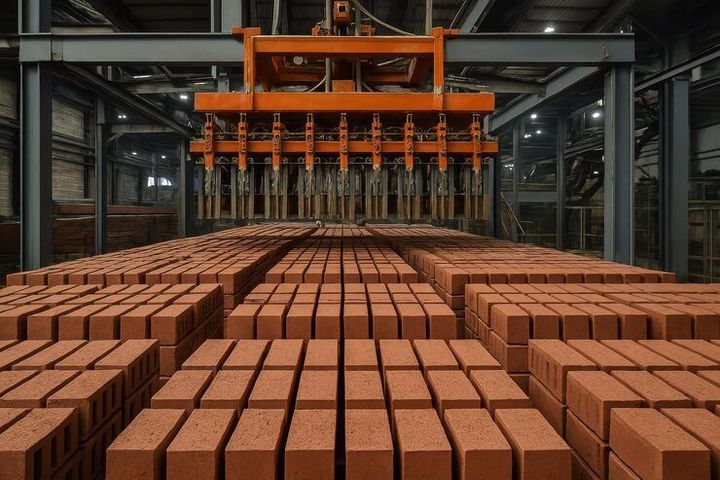
Industrial Brick Machine Insights and Manufacturing Technology Trends
An industrial brick machine is specialized equipment used to manufacture bricks, blocks, and other construction materials in large quantities. These machines help improve production efficiency, consistency, and material strength compared to manual brick-making methods.
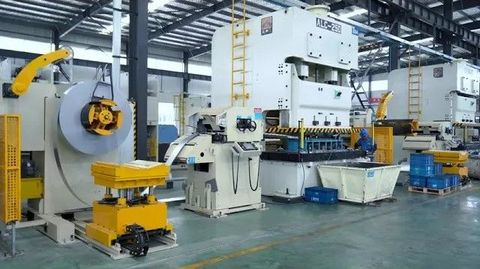
Industrial brick machines are commonly used in construction manufacturing plants, infrastructure projects, and building material facilities. Modern systems use automation, hydraulic pressure, vibration technology, and programmable controls to produce uniform bricks suitable for residential, commercial, and industrial applications.
The growing demand for durable infrastructure and environmentally responsible building materials has increased the importance of advanced brick manufacturing technology across many regions.
How Industrial Brick Machines Work
Industrial brick machines operate through a structured production process that combines raw materials, compression systems, and curing methods.
The process usually begins with material preparation. Common raw materials include:
Common Raw Materials
- Cement
- Sand
- Fly ash
- Clay
- Gravel
- Stone dust
- Water
- Industrial waste materials
The materials are mixed in controlled proportions using industrial mixers. The prepared mixture then moves into molds through conveyors or feeding systems.
Hydraulic pressure and vibration mechanisms compact the material inside molds. This process removes air gaps and improves density. Once shaped, the bricks are removed and transferred to curing areas where they gain strength over time.
Modern industrial brick machines often use programmable logic controllers (PLCs), touch-screen interfaces, and automated sensors to monitor production accuracy and machine performance.
Major Types of Industrial Brick Machines
Different brick manufacturing systems are designed for varying production needs and material types.
| Machine Type | Main Function | Common Application |
|---|---|---|
| Hydraulic Brick Machine | Uses hydraulic compression for dense bricks | Industrial construction |
| Fly Ash Brick Machine | Produces fly ash-based bricks | Eco-friendly projects |
| Concrete Block Machine | Creates concrete blocks and pavers | Infrastructure work |
| Clay Brick Machine | Processes clay into fired bricks | Traditional brick production |
| Automatic Brick Machine | Fully automated production operations | Large-scale manufacturing |
| Semi-Automatic Brick Machine | Combines manual and automated functions | Medium production facilities |
Important Components in Brick Manufacturing Systems
Industrial brick machines contain several interconnected systems that ensure smooth production.
Core Components
- Material feeding system
- Industrial mixer
- Hydraulic pressure unit
- Vibration motor
- Mold assembly
- Conveyor system
- PLC control panel
- Cooling and lubrication systems
- Curing chamber
- Stacking equipment
Each component plays a role in maintaining production speed, brick quality, and operational safety.
Importance of Industrial Brick Machines
Brick manufacturing equipment supports the construction sector by enabling faster and more standardized material production.
Traditional manual brick production can result in uneven dimensions, inconsistent strength, and lower output. Industrial machines reduce these issues through automation and precision engineering.
Key Benefits
- Consistent brick dimensions
- Improved structural strength
- Reduced material waste
- Faster production cycles
- Better labor efficiency
- Enhanced industrial safety
- Support for sustainable materials
- Reduced environmental impact
Many modern machines also support the use of recycled materials and industrial byproducts such as fly ash, helping manufacturers reduce waste generation.
Real-World Applications
Industrial brick machines are widely used across multiple sectors connected to construction and infrastructure development.
Common Applications
- Residential construction
- Commercial buildings
- Industrial facilities
- Roadside paving systems
- Smart city infrastructure
- Railway projects
- Drainage systems
- Landscaping projects
- Public infrastructure development
Governments and infrastructure agencies often use machine-produced bricks because they meet standardized strength and durability requirements.
Automation and Smart Manufacturing Trends
Automation has become one of the most important developments in industrial brick manufacturing during the last year.
In 2025 and 2026, many manufacturers adopted smart factory technologies to improve operational monitoring and production efficiency. Industrial Internet of Things (IIoT) systems now allow machine operators to track:
Smart Manufacturing Features
- Production speed
- Material consumption
- Machine temperature
- Hydraulic pressure
- Energy usage
- Equipment maintenance schedules
- Production quality metrics
Artificial intelligence and predictive maintenance software are also becoming more common in large manufacturing facilities. These systems analyze equipment performance and identify maintenance needs before failures occur.
Energy-efficient hydraulic systems and low-emission manufacturing processes have also gained attention due to environmental regulations and sustainability goals introduced in several countries during 2025.
Environmental and Sustainability Developments
Sustainable construction materials continue to influence the brick manufacturing industry.
Fly ash bricks, compressed earth blocks, and recycled aggregate bricks have become increasingly important due to concerns about carbon emissions and industrial waste management.
Many modern brick machines are designed to support:
Sustainability Improvements
- Lower energy consumption
- Reduced carbon emissions
- Waste recycling
- Water conservation
- Cleaner production systems
- Reduced raw material usage
Several countries have encouraged the use of fly ash bricks near thermal power plants to reduce industrial waste accumulation and improve resource utilization.
Safety Standards and Industrial Regulations
Industrial brick manufacturing facilities must follow workplace safety and environmental guidelines.
Regulations vary by country, but common industrial requirements include:
Regulatory Areas
- Worker safety standards
- Dust control systems
- Noise reduction measures
- Machine guarding requirements
- Electrical safety compliance
- Industrial emissions monitoring
- Waste disposal management
- Fire prevention systems
In many regions, occupational safety authorities require protective equipment, emergency shutdown systems, and regular equipment inspections.
Manufacturers may also follow international industrial standards such as ISO quality management systems and environmental management frameworks.
Common Challenges in Brick Manufacturing
Despite technological improvements, industrial brick manufacturing can still face operational challenges.
Frequent Challenges
- Raw material inconsistency
- Equipment wear and tear
- Hydraulic leakage
- Production downtime
- Energy consumption management
- Mold maintenance
- Dust accumulation
- Temperature control issues
Preventive maintenance and automated monitoring systems help reduce many of these operational problems.
Digital Technologies Used in Modern Brick Plants
Modern facilities increasingly depend on digital manufacturing systems.
Common Industrial Technologies
- PLC automation software
- SCADA monitoring systems
- Industrial sensors
- Robotic stacking systems
- AI-based quality inspection
- Cloud monitoring platforms
- Predictive maintenance software
- Industrial data analytics
These technologies improve operational visibility and help manufacturers maintain consistent product quality.
Learning Resources and Industrial Platforms
Professionals interested in industrial brick manufacturing can access various educational and technical resources.
Useful Learning Resources
- Industrial automation training platforms
- Construction engineering publications
- Manufacturing equipment manuals
- ISO compliance documentation
- Technical webinars
- Engineering research journals
- Industrial machinery exhibitions
- Construction technology conferences
Technical institutions and engineering organizations also provide training related to hydraulic systems, automation controls, and industrial maintenance.
Industrial Brick Machine Maintenance Practices
Proper maintenance improves equipment lifespan and production efficiency.
Routine inspection schedules often include hydraulic system checks, lubrication, vibration motor inspection, and mold cleaning.
Recommended Maintenance Activities
- Hydraulic oil inspection
- Conveyor alignment checks
- Electrical wiring inspection
- Mold cleaning procedures
- Lubrication system monitoring
- Sensor calibration
- Cooling system maintenance
- Software diagnostics
Preventive maintenance helps reduce unexpected downtime and production interruptions.
FAQs
What is an industrial brick machine used for?
An industrial brick machine is used to manufacture bricks, concrete blocks, pavers, and similar construction materials in large quantities using automated or semi-automated systems.
What materials are commonly used in brick machines?
Common materials include cement, fly ash, sand, clay, gravel, industrial waste materials, and water. The exact mixture depends on the type of brick being produced.
How do automatic brick machines improve production?
Automatic machines improve efficiency through computerized controls, hydraulic compression, automated feeding systems, and continuous production monitoring.
Why are fly ash brick machines becoming more popular?
Fly ash brick machines support sustainable construction by using industrial waste materials and reducing dependence on traditional clay-based production methods.
What industries use industrial brick manufacturing equipment?
Construction, infrastructure development, landscaping, transportation projects, and public works sectors commonly use industrial brick manufacturing systems.
Conclusion
Industrial brick machines play an important role in modern construction manufacturing by improving production efficiency, material consistency, and operational reliability. These systems support large-scale infrastructure development while helping manufacturers adopt automated and environmentally responsible production methods.
Advancements in hydraulic technology, industrial automation, AI monitoring, and sustainable material processing continue to shape the future of brick manufacturing. As construction demand grows worldwide, industrial brick machines are expected to remain essential tools in efficient and standardized building material production.