Packaging Machines Overview for Manufacturing and Distribution
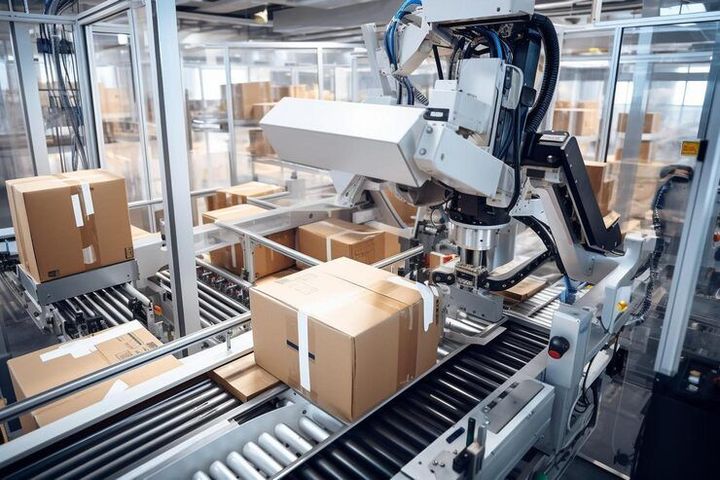
Packaging machines are specialized industrial systems designed to package products efficiently, safely, and consistently. These machines are widely used in manufacturing, food processing, pharmaceuticals, cosmetics, consumer goods, and logistics industries. Their primary purpose is to improve packaging speed, maintain product quality, reduce material waste, and support large-scale production operations.
Modern packaging equipment handles various tasks such as filling, sealing, labeling, wrapping, coding, and palletizing. These systems can operate manually, semi-automatically, or fully automatically depending on production requirements.
As industries continue adopting industrial automation and smart manufacturing technologies, packaging machinery has become a critical part of efficient supply chain operations.
How Packaging Machines Work
Packaging machines operate by moving products through different packaging stages using mechanical, pneumatic, hydraulic, or robotic systems. The process varies depending on the product type and packaging material.
A standard automated packaging line usually includes:
Main Functions
- Product feeding and alignment
- Filling or dosing
- Container sealing
- Label application
- Date and batch coding
- Quality inspection
- Cartoning and palletizing
Sensors, programmable logic controllers (PLCs), and industrial software help coordinate these processes. Advanced systems use machine vision technology and artificial intelligence for defect detection and precision control.
Common Types of Packaging Machines
Different industries require different packaging solutions. Packaging machines are designed according to product shape, material, production speed, and hygiene requirements.
| Machine Type | Main Purpose | Common Industries |
|---|---|---|
| Filling Machines | Fill liquids, powders, or granules | Food, pharmaceuticals |
| Sealing Machines | Seal containers or pouches | Consumer goods |
| Labeling Machines | Apply product labels | Beverage, cosmetics |
| Wrapping Machines | Wrap products with film | Logistics, retail |
| Vacuum Packaging Machines | Remove air for preservation | Food processing |
| Cartoning Machines | Pack products into cartons | Electronics, healthcare |
| Palletizing Robots | Stack packaged goods | Warehousing |
| Shrink Packaging Machines | Apply shrink film protection | Distribution |
Key Components Used in Packaging Systems
Packaging machinery includes multiple integrated components that work together for continuous operation.
Mechanical Components
- Conveyor belts
- Motors and gear systems
- Pneumatic cylinders
- Rollers and guides
Control Systems
- PLC controllers
- Human-machine interfaces (HMIs)
- Industrial sensors
- Servo drives
Safety Features
- Emergency stop systems
- Protective guards
- Safety light curtains
- Overload protection mechanisms
Smart Technology Features
- IoT monitoring systems
- Predictive maintenance software
- Remote diagnostics
- Real-time production tracking
These technologies improve operational efficiency and reduce downtime in industrial environments.
Importance of Packaging Machines in Modern Industries
Packaging machinery supports consistent production standards while helping organizations manage high-volume operations.
Major Benefits
- Faster packaging processes
- Improved product consistency
- Reduced human error
- Better hygiene and contamination control
- Lower packaging material waste
- Enhanced supply chain efficiency
In sectors like pharmaceuticals and food processing, packaging machines also help maintain strict safety and compliance standards.
Real-World Applications of Packaging Machines
Packaging systems are used across many industries where product handling and protection are essential.
Food and Beverage Industry
- Food packaging machines help maintain freshness, extend shelf life, and improve hygiene.
- Common applications include snack packaging, beverage bottling, frozen food sealing, and vacuum packing.
- Pharmaceutical packaging equipment handles tablets, capsules, syringes, and medical supplies.
- Accuracy and contamination control are especially important in this sector.
- Packaging machinery supports filling, labeling, and sealing operations for creams, lotions, shampoos, and beauty products.
E-Commerce and Logistics
- Automated packaging systems are increasingly used in warehouses for sorting, wrapping, and carton preparation to support fast shipping operations.
- Protective packaging equipment helps prevent static damage and physical impact during transportation.
Problems Packaging Machines Help Solve
Industrial packaging operations face multiple challenges that automated systems help address effectively.
Common Operational Challenges
- Slow manual packaging
- Product contamination risks
- Inconsistent labeling
- Packaging material waste
- High labor dependency
- Product damage during transport
Automation reduces these risks while improving production accuracy and throughput.
Recent Trends in Packaging Machines
The packaging machinery industry has seen major technological developments during 2025 and 2026. Manufacturers are focusing on automation, sustainability, and digital monitoring systems.
Smart Packaging Automation
- In 2025, more manufacturers adopted AI-powered packaging inspection systems.
- These systems use computer vision to detect defects and improve quality control accuracy.
- Many companies are shifting toward machines compatible with recyclable and biodegradable packaging materials.
- Demand for eco-friendly packaging solutions increased significantly in 2025 due to environmental regulations and sustainability goals.
Robotics Integration
Collaborative robots, also called cobots, are increasingly used for palletizing and product handling.
These systems improve flexibility in packaging operations.
Cloud-Based Monitoring
Cloud-connected packaging platforms now provide real-time production analytics, maintenance alerts, and remote diagnostics for industrial facilities.
Packaging equipment manufacturers introduced lower-energy motors and optimized heating systems in 2025 to reduce industrial energy consumption.
Regulations and Compliance Standards
Packaging machines used in industrial environments must comply with various international safety and operational regulations.
Important Standards and Regulations
- ISO 9001 quality management standards
- ISO 22000 food safety systems
- GMP regulations for pharmaceuticals
- CE marking requirements in Europe
- OSHA industrial safety guidelines
- FDA packaging compliance rules for medical and food products
Manufacturers also follow environmental packaging regulations focused on reducing waste and improving recyclability.
Packaging Materials Used with Packaging Machines
Packaging machines are compatible with multiple material types depending on industry requirements.
Common Packaging Materials
- Plastic films
- Corrugated cardboard
- Aluminum foil
- Glass containers
- Flexible pouches
- Paper-based packaging
- Biodegradable materials
Machine settings are often customized based on material thickness, sealing temperature, and product sensitivity.
Useful Tools and Technologies for Packaging Operations
Several software platforms and technologies help improve packaging system management and monitoring.
Industrial Software Platforms
- Manufacturing execution systems (MES)
- SCADA monitoring software
- Predictive maintenance platforms
- Inventory tracking systems
Automation Technologies
- Industrial robotics
- Machine vision inspection systems
- Barcode verification systems
- RFID tracking solutions
Learning Resources
- Industrial automation training platforms
- Packaging engineering certification courses
- Manufacturing technology webinars
- Technical documentation from machinery manufacturers
These resources help operators and engineers stay updated with packaging technology developments.
Maintenance and Operational Best Practices
Regular maintenance is essential for packaging machinery reliability and long-term performance.
Recommended Practices
- Inspect conveyor systems regularly
- Monitor lubrication schedules
- Calibrate sensors and controllers
- Replace worn sealing components
- Maintain clean production environments
- Review software diagnostics frequently
Preventive maintenance programs help reduce unexpected downtime and production interruptions.
Future of Packaging Machines
Packaging technology is expected to continue evolving with greater integration of artificial intelligence, robotics, and sustainable manufacturing practices.
Future developments may include:
- Fully autonomous packaging lines
- Advanced digital twins for simulation
- AI-driven quality optimization
- Greater use of recyclable packaging materials
- Improved human-robot collaboration systems
As manufacturing industries modernize, packaging machinery will remain central to productivity and operational efficiency.
FAQs
What are packaging machines used for?
Packaging machines are used to fill, seal, wrap, label, and prepare products for storage, transportation, and distribution across various industries.
Which industries commonly use packaging machinery?
Food processing, pharmaceuticals, cosmetics, electronics, logistics, and consumer goods industries frequently use packaging systems.
What is the difference between automatic and semi-automatic packaging machines?
Automatic machines perform most packaging operations independently, while semi-automatic systems still require some operator involvement.
Why is smart packaging technology becoming important?
Smart packaging technology improves production monitoring, quality control, predictive maintenance, and operational efficiency through connected systems and data analysis.
How do packaging machines improve industrial efficiency?
They increase production speed, reduce manual labor, improve packaging consistency, minimize waste, and support continuous manufacturing operations.
Conclusion
Packaging machines are essential industrial systems that support efficient product handling, protection, and distribution. Modern packaging equipment combines automation, robotics, sensors, and digital monitoring technologies to improve productivity and quality across multiple industries.
As sustainability goals and smart manufacturing continue shaping industrial operations, packaging machinery is evolving toward greater efficiency, environmental compatibility, and intelligent automation. Understanding the structure, applications, and technological trends of packaging systems helps organizations improve operational performance and maintain consistent production standards.