Https Proxy Overview for Privacy and Internet Security
An HTTPS proxy is a network intermediary that securely transfers internet traffic between a user and a website using HTTPS encryption. It acts as a middle layer that receives requests from a device, forwards them to the destination server, and then returns the response back to the user.
As internet usage continues to expand across cloud platforms, enterprise systems, and remote work environments, HTTPS proxies play a major role in managing secure digital communication.
An HTTPS proxy acts as an intermediary between a user and a website. Instead of connecting directly to a web server, the request first passes through the proxy server. The proxy then forwards the request securely to the destination website and returns the response back to the user.
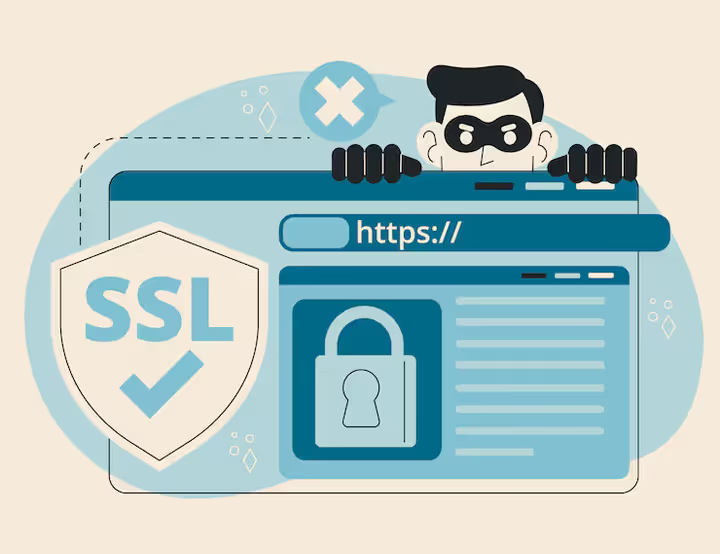
Because HTTPS uses encryption through SSL or TLS protocols, the data transferred remains protected from unauthorized access during transmission.
How HTTPS Proxy Works
When a user accesses a website through an HTTPS proxy, several processes occur in sequence:
- The browser sends a secure request to the proxy server
- The proxy establishes an encrypted connection with the destination website
- SSL or TLS encryption protects the transferred data
- The proxy forwards website content back to the user securely
- Security policies or filtering rules may be applied during the process
This structure helps organizations manage internet usage while maintaining encrypted communication.
HTTPS proxies are commonly integrated into enterprise cybersecurity systems, cloud security frameworks, and secure network architectures.
Core Components of HTTPS Proxy Systems
Proxy Server Infrastructure
- Handles user requests
- Routes encrypted traffic
- Applies access rules
- Maintains connection stability
SSL and TLS Encryption
- Protects transmitted information
- Secures authentication sessions
- Prevents interception attempts
- Maintains confidential communication
Authentication Mechanisms
- Username and password verification
- IP-based authentication
- Token-based access systems
- Multi-factor verification methods
Traffic Monitoring Tools
- Network activity analysis
- Threat detection
- Usage reporting
- Access control management
Types of HTTPS Proxies
| Proxy Type | Main Purpose | Common Environment |
|---|---|---|
| Forward Proxy | Handles client requests | Enterprise networks |
| Reverse Proxy | Protects web servers | Cloud hosting platforms |
| Transparent Proxy | Filters traffic without manual setup | Educational institutions |
| Anonymous Proxy | Hides user identity | Privacy-focused browsing |
| Residential Proxy | Uses residential IP addresses | Market research and testing |
Importance of HTTPS Proxy Technology
HTTPS proxies help solve several challenges associated with internet communication and cybersecurity.
One major benefit is encrypted browsing. Without encryption, data transferred between users and websites may become vulnerable to interception. HTTPS proxies help maintain secure communication channels.
Another important function is traffic management. Organizations can control internet access, restrict harmful websites, and apply cybersecurity policies through proxy systems.
HTTPS proxies also support compliance requirements in industries that handle sensitive information. Secure communication practices are often necessary for healthcare systems, financial institutions, and government organizations.
Common Real-World Applications
Enterprise Cybersecurity
- Monitoring employee internet usage
- Preventing malware access
- Protecting internal systems
- Enforcing security policies
Educational Networks
- Managing student internet access
- Blocking unsafe content
- Reducing network misuse
- Improving bandwidth management
Cloud Infrastructure
- Securing cloud applications
- Managing encrypted API traffic
- Improving server protection
- Supporting distributed systems
Remote Work Security
- Protecting employee connections
- Securing remote access platforms
- Encrypting communication channels
- Supporting virtual office systems
Content Delivery and Performance
- Load balancing
- Traffic optimization
- Website acceleration
- Distributed content management
Security Advantages of HTTPS Proxies
HTTPS proxies provide several important cybersecurity benefits.
Enhanced Privacy
- Encrypts browsing sessions
- Protects user identities
- Reduces tracking exposure
- Secures transmitted credentials
Threat Prevention
- Blocks malicious websites
- Detects suspicious traffic
- Reduces phishing risks
- Prevents unauthorized access
Access Control
- Restricts unauthorized websites
- Applies organizational policies
- Controls application usage
- Manages internet permissions
Improved Monitoring
- Generates security reports
- Tracks network behavior
- Detects unusual activity
- Supports incident investigation
Challenges and Limitations
Although HTTPS proxies provide strong protection, they also come with certain limitations.
Encrypted traffic inspection can create privacy concerns if implemented improperly. Organizations must balance cybersecurity monitoring with user privacy expectations.
Performance issues may also occur if proxy servers become overloaded or poorly configured. Since encryption requires processing resources, large-scale environments often need optimized infrastructure.
Compatibility problems sometimes arise with legacy applications that do not fully support modern TLS standards.
Cybersecurity professionals must also regularly update proxy systems to address newly discovered vulnerabilities.
Recent Trends and Developments
The HTTPS proxy landscape has changed significantly during the last year as cybersecurity threats and cloud adoption continue to grow.
AI-Powered Threat Detection in 2025
Many cybersecurity platforms introduced artificial intelligence features in 2025 to analyze encrypted traffic patterns and detect suspicious activity faster. AI-assisted monitoring helps reduce response time during cyber incidents.
Zero Trust Security Expansion in 2025
Organizations increasingly adopted Zero Trust security frameworks during 2025. HTTPS proxies are now commonly integrated into Zero Trust architectures to verify users and secure application access continuously.
TLS 1.3 adoption expanded further across enterprise networks and cloud platforms during 2025. This protocol improves encryption performance and reduces connection latency.
Increased Cloud Proxy Deployment
Cloud-native proxy infrastructure became more common in 2025 due to remote work growth and distributed application environments.
Global privacy regulations continued influencing proxy management practices. Organizations are focusing more on responsible data handling and encrypted traffic governance.
Regulations and Compliance Considerations
HTTPS proxy usage may involve legal and regulatory requirements depending on the region and industry.
General Data Protection Regulation (GDPR)
Organizations operating in regions covered by GDPR must ensure that traffic monitoring practices respect user privacy and data protection requirements.
Data Protection Policies
- Secure handling of personal information
- Limited retention of browsing logs
- Transparent monitoring policies
- Access control management
Industry Security Standards
Many industries follow cybersecurity standards related to encrypted communication and secure network management.
Examples include:
- ISO cybersecurity frameworks
- Enterprise data protection standards
- Government security guidelines
- Cloud security best practices
Organizations must ensure proxy systems comply with applicable laws and internal governance policies.
Useful Tools and Platforms
Several platforms and technologies support HTTPS proxy deployment and network security management.
Common Proxy Platforms
- Squid Proxy
- HAProxy
- NGINX Reverse Proxy
- Apache Traffic Server
- Envoy Proxy
Security Monitoring Platforms
- Wireshark
- Splunk
- Zabbix
- Grafana
- Elastic Stack
Learning Resources
- Official TLS documentation
- Cybersecurity certification programs
- Cloud security training platforms
- Network security research publications
These tools help administrators manage secure browsing environments and improve cybersecurity operations.
Best Practices for HTTPS Proxy Usage
Maintain Updated Encryption Standards
- Use modern TLS versions
- Remove outdated protocols
- Apply security patches regularly
Monitor Network Activity Responsibly
- Follow privacy guidelines
- Limit unnecessary data collection
- Use transparent monitoring policies
Strengthen Authentication
- Apply multi-factor authentication
- Use secure credential management
- Restrict unauthorized access
Optimize Proxy Performance
- Balance server loads
- Monitor bandwidth usage
- Improve caching efficiency
FAQs
What is an HTTPS proxy?
An HTTPS proxy is a server that securely forwards encrypted internet traffic between users and websites while protecting transmitted data through SSL or TLS encryption.
How does HTTPS proxy improve security?
HTTPS proxies encrypt communication, filter harmful traffic, monitor network activity, and reduce exposure to cybersecurity threats such as phishing or malware.
Is HTTPS proxy different from a VPN?
Yes. HTTPS proxies mainly manage web traffic and application-level communication, while VPNs encrypt broader internet connections across entire devices or networks.
Can HTTPS proxies inspect encrypted traffic?
Yes. Some enterprise HTTPS proxies can inspect encrypted traffic for cybersecurity monitoring purposes, but this must follow privacy policies and legal regulations.
Why are HTTPS proxies important for businesses?
Businesses use HTTPS proxies to improve network security, manage internet access, support compliance requirements, and protect sensitive communication systems.
Conclusion
HTTPS proxy technology remains an essential part of secure internet infrastructure. By encrypting communication and managing web traffic securely, HTTPS proxies help organizations and individuals improve privacy, strengthen cybersecurity, and maintain safer online environments.
Modern HTTPS proxy systems now support advanced features such as AI-powered threat analysis, Zero Trust integration, and cloud-native deployment models. As cybersecurity threats continue evolving, secure proxy technologies will remain important for protecting digital communication across enterprise networks, educational systems, and cloud platforms.
Proper implementation, responsible monitoring, and compliance with privacy regulations are critical for maintaining effective and trustworthy HTTPS proxy environments.