CDN Management Tools Basics for Traffic Optimization
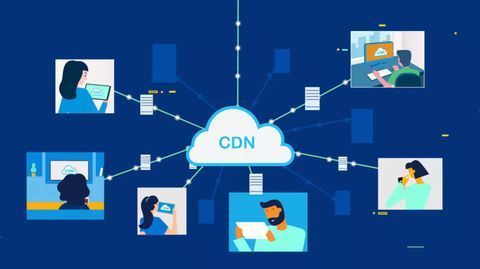
CDN management tools are platforms and software systems used to control, monitor, configure, and optimize Content Delivery Networks (CDNs). A CDN is a distributed network of servers located in different geographic regions that helps websites, applications, streaming platforms, and online services deliver content more efficiently.
These tools allow administrators to manage traffic routing, caching behavior, security settings, content distribution, and performance analytics from a centralized dashboard. CDN management has become increasingly important because modern websites and cloud applications require fast loading speeds, secure connections, and stable global accessibility.
Organizations use CDN management tools to reduce latency, improve user experience, handle traffic spikes, and strengthen cybersecurity protections.
How CDN Management Tools Work
CDN management tools operate by controlling how content is delivered across edge servers located around the world. When a user visits a website, the CDN directs the request to the nearest available server instead of sending it to the original hosting server every time.
The management layer handles several important tasks:
- Traffic routing
- Cache configuration
- SSL certificate management
- Content optimization
- Load balancing
- Security monitoring
- Performance reporting
- DDoS mitigation controls
These systems typically include dashboards, APIs, automation settings, and analytics panels. Administrators can configure rules for static files, video streaming, image delivery, and application acceleration.
Many modern platforms also integrate with cloud infrastructure, edge computing platforms, and web application firewall systems.
Importance of CDN Management Tools
CDN management tools are essential for maintaining digital performance and network stability. Websites with large audiences or global traffic often experience delays, server overloads, and security threats without proper CDN optimization.
Key benefits include:
Performance Improvements
- Faster website loading times
- Reduced latency for international users
- Improved streaming quality
- Better mobile browsing performance
Security Enhancements
- Protection against DDoS attacks
- Secure HTTPS delivery
- Bot management
- Threat intelligence monitoring
Infrastructure Optimization
- Reduced bandwidth consumption
- Lower server stress
- Intelligent traffic balancing
- Better uptime reliability
User Experience Benefits
- Faster application responsiveness
- Stable content access during traffic spikes
- Improved digital accessibility
- Better customer retention metrics
Search engines also consider page speed and stability when ranking websites, making CDN management an important part of technical SEO and website optimization.
Main Components of CDN Management Platforms
Different CDN platforms include a variety of features depending on enterprise needs, cloud environments, and traffic volumes.
| Component | Purpose |
|---|---|
| Cache Management | Stores frequently accessed content closer to users |
| Traffic Analytics | Monitors bandwidth, latency, and visitor behavior |
| Load Balancing | Distributes traffic across servers |
| SSL/TLS Management | Secures encrypted connections |
| Edge Security Controls | Protects against cyber threats |
| API Integration | Connects with cloud and DevOps systems |
| Content Optimization | Compresses and accelerates media delivery |
| Real-Time Monitoring | Tracks server and network performance |
Common Types of CDN Management Tools
CDN management systems are available in different formats depending on technical requirements and organizational size.
Cloud-Based CDN Platforms
These are hosted systems managed through web dashboards. They are commonly used for scalable cloud applications and enterprise websites.
Examples include:
- Cloudflare
- Akamai
- Amazon CloudFront
- Fastly
Enterprise Edge Platforms
These systems focus on advanced network security, edge computing, and high-volume content delivery.
They are often used by:
- Streaming platforms
- Large media companies
- Financial technology environments
- Global software providers
Open-Source CDN Tools
Some organizations use customizable open-source CDN management solutions for internal infrastructure control and development flexibility.
These systems may include:
- Reverse proxy software
- Edge cache management frameworks
- Self-hosted traffic optimization systems
Real-World Use Cases
CDN management tools are used across many industries where performance and reliability are critical.
Media and Streaming Platforms
Video streaming providers use CDN optimization to reduce buffering and deliver high-definition content across regions.
E-Commerce Websites
Online stores use traffic acceleration and edge caching to improve checkout speed and maintain stable browsing during high-traffic periods.
Gaming platforms rely on CDN management for faster downloads, low-latency multiplayer connections, and real-time updates.
Educational Platforms
E-learning systems use content delivery optimization to provide stable access to recorded lectures, live sessions, and digital learning materials.
Global organizations use CDN tools to improve secure access to SaaS platforms and cloud-based business applications.
Security Features in Modern CDN Management
Cybersecurity has become one of the most important aspects of CDN management. Many attacks target websites through traffic floods, malicious bots, or application vulnerabilities.
Modern CDN security features include:
DDoS Protection
- Traffic filtering systems detect and block abnormal request patterns before they reach the origin server.
- A web application firewall helps identify suspicious requests and protects against exploits such as SQL injection and cross-site scripting.
Zero Trust Security Models
- Many CDN platforms now support zero trust network access frameworks that verify requests continuously.
- AI-powered traffic analysis tools can distinguish between legitimate users and automated malicious bots.
- Encryption management ensures secure data transmission between users and servers.
Recent Trends and Developments
CDN technology has evolved significantly during 2025 and 2026 due to increased cloud adoption, AI workloads, and edge computing growth.
AI-Powered Traffic Optimization
- In 2025, many CDN providers introduced machine learning systems for predictive caching and automated traffic balancing.
- These systems help reduce congestion and improve performance during peak demand periods.
- Edge computing integration expanded throughout 2025 as organizations processed data closer to users for lower latency and faster application performance.
Sustainability Initiatives
- Several CDN providers announced energy-efficient infrastructure projects in late 2025 to reduce power consumption in data centers and edge locations.
- In 2026, stronger API protection features became more common due to increasing attacks targeting cloud applications and connected services.
- Organizations increasingly adopted multi-CDN architectures to improve redundancy and maintain performance during regional outages.
Policies and Regulatory Considerations
CDN management systems often process user traffic, location data, and network logs. Because of this, compliance with data privacy and cybersecurity regulations is important.
Relevant regulations may include:
General Data Protection Regulation (GDPR)
- Organizations operating in Europe must manage user data responsibly and maintain secure processing standards.
- Businesses handling California consumer information may need transparent data usage policies.
Data Localization Requirements
- Some countries require certain categories of data to remain within national borders.
- Industries such as healthcare and financial technology may follow additional cybersecurity compliance frameworks for secure network infrastructure.
- Organizations often configure CDN management systems to align with regional privacy requirements and secure data transfer standards.
Useful CDN Management Platforms and Learning Resources
Several well-known platforms and educational resources help users understand CDN technologies and network optimization.
Popular Platforms
- Cloudflare
- Akamai
- Fastly
- Amazon CloudFront
- Microsoft Azure CDN
- Google Cloud CDN
Learning Resources
- Cloud computing documentation portals
- Network engineering training courses
- Cybersecurity certification programs
- Web performance optimization guides
- Edge computing research publications
Many cloud providers also publish technical documentation explaining caching strategies, traffic routing, and edge security management.
FAQs
What is a CDN management tool?
A CDN management tool is a platform used to configure, monitor, secure, and optimize content delivery networks for websites and applications.
Why are CDN management tools important?
They improve website performance, reduce latency, strengthen cybersecurity, and help maintain stable access during high traffic periods.
Can CDN tools improve website SEO?
Yes. Faster loading times and improved site reliability can support better search engine performance and user experience metrics.
What industries commonly use CDN management systems?
Industries such as media streaming, e-commerce, gaming, education, healthcare, and enterprise software frequently use CDN technologies.
What is edge computing in CDN infrastructure?
Edge computing processes data closer to users through distributed servers, reducing latency and improving application responsiveness.
Conclusion
CDN management tools play a critical role in modern digital infrastructure by improving content delivery speed, network reliability, and cybersecurity protection. As websites, applications, and cloud services continue to expand globally, efficient traffic management and edge optimization have become essential for maintaining performance and user satisfaction.
Modern CDN platforms now include advanced capabilities such as AI-driven optimization, real-time analytics, edge computing integration, and zero trust security frameworks. These developments help organizations handle growing traffic demands while maintaining secure and responsive online experiences.
Understanding CDN management tools, their components, and their real-world applications can help businesses, developers, and IT teams build more scalable and resilient digital environments.