TNF Alpha ELISA Kit Explanation for Biomarker Detection
A TNF Alpha ELISA Kit is a laboratory assay tool designed to detect and measure Tumor Necrosis Factor Alpha (TNF-α) levels in biological samples such as serum, plasma, cell culture supernatants, and tissue extracts. TNF-α is an inflammatory cytokine that plays an important role in immune system signaling, inflammation, infection response, and autoimmune disorders.
ELISA stands for Enzyme-Linked Immunosorbent Assay. This method is widely used in biotechnology, molecular biology, pharmaceutical research, and clinical laboratories because it allows sensitive and specific protein detection.
TNF-α measurement is important in research involving inflammatory diseases, cancer biology, infectious diseases, metabolic disorders, and immune therapies. Researchers use TNF Alpha ELISA Kits to monitor cytokine expression and understand immune responses in experimental studies.
How TNF Alpha ELISA Kits Work
Most TNF Alpha ELISA Kits use the sandwich ELISA technique. In this process, antibodies specifically designed for TNF-α capture the target protein from the sample.
The workflow generally includes:
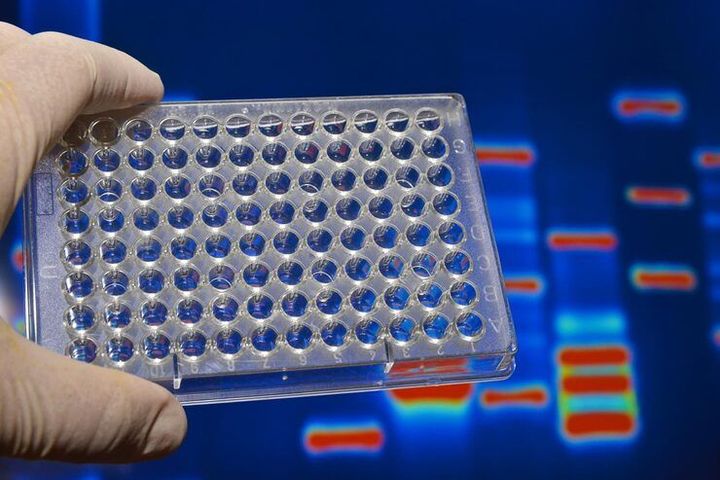
- A microplate coated with capture antibodies
- Addition of biological samples containing TNF-α
- Binding of TNF-α to capture antibodies
- Addition of detection antibodies
- Enzyme reaction producing measurable color changes
- Optical density reading using a microplate reader
The intensity of the color signal corresponds to the concentration of TNF-α in the sample. Scientists compare the signal with calibration standards to calculate cytokine levels.
This method is valued for high sensitivity, reproducibility, and compatibility with high-throughput laboratory workflows.
Major Components Found in a TNF Alpha ELISA Kit
Different manufacturers may provide slightly different configurations, but most kits include standardized materials.
| Component | Purpose |
|---|---|
| Pre-coated Microplate | Captures TNF-α molecules |
| Detection Antibody | Identifies bound TNF-α |
| Enzyme Conjugate | Produces measurable signal |
| Standards | Creates calibration curve |
| Wash Buffer | Removes unbound materials |
| Substrate Solution | Generates color reaction |
| Stop Solution | Terminates enzyme activity |
| Sample Diluent | Prepares biological samples |
These components work together to support accurate cytokine quantification in laboratory conditions.
Importance of TNF Alpha Detection
TNF-α is associated with several biological and pathological processes. Monitoring this cytokine helps researchers understand inflammatory pathways and immune system behavior.
Important research areas include:
- Rheumatoid arthritis studies
- Inflammatory bowel disease analysis
- Sepsis and infection research
- Cancer immunology
- Neuroinflammation studies
- Autoimmune disease monitoring
- Vaccine response evaluation
In pharmaceutical development, TNF Alpha ELISA Kits support biomarker analysis during preclinical and translational research. Cytokine profiling also contributes to personalized medicine investigations and biologic drug development.
Common Laboratory Applications
TNF Alpha ELISA Kits are widely used across academic, biotechnology, and healthcare research settings.
Research Applications
- Cytokine profiling experiments
- Drug efficacy evaluation
- Immune pathway analysis
- Cell signaling studies
- Toxicology testing
- Protein biomarker monitoring
Sample Types
- Human serum
- Plasma
- Cell culture media
- Animal tissue extracts
- Cerebrospinal fluid
- Saliva in selected studies
Scientific Fields
- Immunology
- Molecular biology
- Biotechnology
- Oncology
- Infectious disease research
- Translational medicine
Because TNF-α is a central inflammatory marker, its measurement supports many laboratory investigations involving immune system activation.
Types of TNF Alpha ELISA Kits
Different ELISA formats are available depending on laboratory requirements and research objectives.
Sandwich ELISA Kits
- These are the most common kits for TNF-α detection.
- They provide high specificity and sensitivity because two antibodies recognize the target protein.
- Competitive assays are used when detecting smaller proteins or when sample concentrations are extremely high.
Colorimetric ELISA Kits
- These kits generate visible color changes that can be measured with standard laboratory plate readers.
- Chemiluminescent assays provide higher sensitivity and are useful for detecting low-abundance cytokines.
- Some platforms combine TNF-α detection with multiple inflammatory biomarkers in a single assay workflow.
Key Features of Modern ELISA Technology
Modern TNF Alpha ELISA Kits have evolved significantly with improved analytical performance and automation compatibility.
Important Features
- High analytical sensitivity
- Wide dynamic detection range
- Reduced cross-reactivity
- Faster assay processing
- Improved reagent stability
- Automation-friendly protocols
- Compatibility with digital laboratory systems
Advanced assay development has improved reproducibility across laboratories and supported more consistent research outcomes.
Recent Trends and Developments
The cytokine analysis field has seen several important developments during the last year.
2025 Developments in Cytokine Research
- Increased adoption of multiplex immunoassay systems in precision medicine research
- Growth of AI-assisted biomarker analysis platforms for interpreting cytokine data
- Expansion of automated ELISA workstations in pharmaceutical laboratories
- Rising use of high-sensitivity cytokine assays in immunotherapy studies
- Improved low-volume sample detection technologies for pediatric and translational research
Growth in Biopharmaceutical Research
During 2025, biotechnology companies and academic institutions increased investment in inflammatory biomarker research. TNF-α remains one of the most studied cytokines in autoimmune disease and biologic therapy development.
Digital Laboratory Integration
Laboratories are increasingly integrating ELISA data with cloud-based laboratory information management systems (LIMS). This supports standardized data tracking and quality control procedures.
Regulatory and Laboratory Standards
ELISA assays used in regulated research environments often follow established laboratory guidelines and quality standards.
Common Standards and Guidelines
- Good Laboratory Practice (GLP)
- ISO 13485 quality management standards
- Clinical Laboratory Improvement Amendments (CLIA)
- FDA biomarker validation guidance
- European In Vitro Diagnostic Regulation (IVDR)
Laboratories conducting clinical or translational studies typically follow standardized validation procedures to ensure assay accuracy and reproducibility.
Proper calibration, documentation, and sample handling are essential parts of compliant laboratory operations.
Challenges in TNF Alpha Testing
Despite the reliability of ELISA technology, several challenges can affect assay performance.
Common Limitations
- Sample degradation during storage
- Improper washing procedures
- Cross-reactivity with similar proteins
- Matrix interference in biological samples
- Variability between assay manufacturers
- Human pipetting errors
To improve accuracy, laboratories often use duplicate samples, validated controls, and standardized operating procedures.
Useful Tools and Learning Resources
Researchers working with TNF Alpha ELISA Kits often use additional laboratory tools and educational platforms.
Laboratory Equipment
- Microplate readers
- Automated plate washers
- Precision pipettes
- Incubation systems
- Data analysis software
Educational Resources
- Biotechnology journals
- Immunology textbooks
- Cytokine research databases
- Scientific webinars
- Laboratory training programs
Data Analysis Platforms
- GraphPad Prism
- Statistical analysis software
- Laboratory information management systems
- Bioinformatics visualization tools
These tools help researchers analyze cytokine expression data more efficiently and accurately.
Role in Precision Medicine and Biomarker Research
TNF-α is increasingly studied as a biomarker in personalized healthcare research. Scientists investigate cytokine profiles to better understand patient-specific inflammatory responses.
Research areas include:
- Targeted immunotherapy studies
- Chronic inflammation monitoring
- Biomarker-driven clinical research
- Immune response prediction
- Precision oncology investigations
High-sensitivity ELISA technologies contribute to more detailed biomarker analysis and support ongoing advances in translational medicine.
FAQs
What is a TNF Alpha ELISA Kit used for?
A TNF Alpha ELISA Kit is used to detect and quantify TNF-α cytokine levels in biological samples for immunology, inflammation, and biomarker research.
What samples can be tested with a TNF Alpha ELISA Kit?
Common samples include serum, plasma, tissue extracts, and cell culture supernatants depending on assay validation.
Why is TNF-α important in research?
TNF-α is a key inflammatory cytokine involved in immune regulation, infection response, autoimmune disorders, and cancer biology.
What is the difference between sandwich ELISA and competitive ELISA?
Sandwich ELISA uses two antibodies for higher specificity, while competitive ELISA measures competition between sample antigen and labeled antigen.
How accurate are TNF Alpha ELISA Kits?
Modern kits provide high sensitivity and specificity when laboratories follow validated procedures and proper sample handling protocols.
Conclusion
TNF Alpha ELISA Kits are essential tools in modern immunology and biomarker research. These assays support accurate cytokine measurement across a wide range of scientific applications including inflammation studies, oncology, infectious disease analysis, and pharmaceutical development.
Advancements in assay sensitivity, automation, multiplex technology, and digital laboratory integration continue to improve ELISA performance and research efficiency. As precision medicine and immune-based therapies expand, TNF-α analysis remains highly relevant in both experimental and translational science.
By combining standardized protocols, reliable reagents, and advanced analytical tools, TNF Alpha ELISA Kits continue to play a major role in understanding immune system function and inflammatory disease mechanisms.
Disclaimer: The information provided in this article is for informational purposes only. We do not make any claims or guarantees regarding the accuracy, reliability, or completeness of the information presented. The content is not intended as professional advice and should not be relied upon as such. Readers are encouraged to conduct their own research and consult with appropriate professionals before making any decisions based on the information provided in this article.