Remote Patient Monitoring Platform Insights for Connected Care
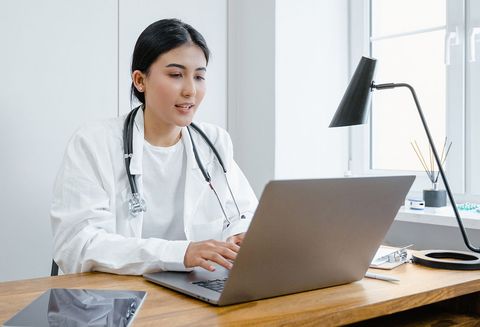
Remote patient monitoring platforms are digital healthcare systems designed to collect, transmit, and analyze patient health information outside traditional clinical environments. These platforms help healthcare professionals monitor patients remotely using connected medical devices, wearable technology, mobile applications, and cloud-based software.
The main purpose of a remote patient monitoring platform is to improve patient care while reducing unnecessary hospital visits. These systems support continuous monitoring of vital signs, chronic disease management, post-surgery recovery, and elderly care.
Healthcare organizations increasingly use remote patient monitoring technology to improve communication, strengthen preventive care, and support data-driven medical decisions.
How Remote Patient Monitoring Platforms Work
A remote patient monitoring platform connects patients and healthcare providers through secure digital infrastructure. Patients use medical devices or mobile applications that collect health-related information in real time.
Common monitored data includes:
Vital Health Metrics
- Heart rate
- Blood pressure
- Blood glucose levels
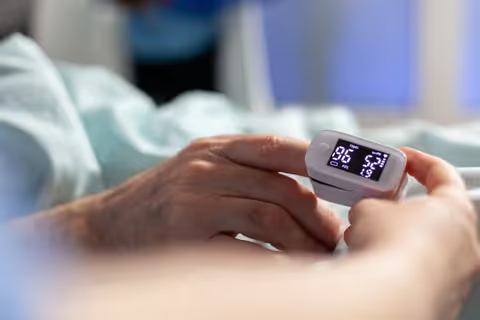
- Oxygen saturation
- Body temperature
- Respiratory rate
- Sleep patterns
The collected data is securely transmitted to cloud healthcare systems where medical professionals can review patient information. Many platforms also use artificial intelligence and healthcare analytics to detect abnormal patterns and generate alerts.
Healthcare providers can then respond quickly through telehealth consultations, medication adjustments, or emergency guidance.
Core Components of a Remote Patient Monitoring Platform
| Component | Purpose |
|---|---|
| Wearable Devices | Collect health and activity data |
| Mobile Applications | Enable patient communication and tracking |
| Cloud Healthcare Platform | Store and process medical information |
| Healthcare Analytics Tools | Analyze patient trends and generate insights |
| Secure Communication Systems | Protect patient data transmission |
| Electronic Health Record Integration | Connect with hospital databases |
| Alert and Notification Systems | Inform healthcare teams about abnormalities |
Importance of Remote Patient Monitoring
Remote patient monitoring platforms play an important role in modern healthcare systems. Healthcare providers can monitor patients continuously without requiring them to stay in hospitals or clinics.
These platforms support early detection of health problems and improve patient engagement. Continuous monitoring also helps reduce healthcare system pressure by minimizing avoidable admissions and supporting preventive healthcare practices.
Several healthcare systems worldwide have expanded remote healthcare monitoring programs to support aging populations and chronic disease management.
Major Benefits
- Supports continuous patient observation
- Improves chronic disease management
- Reduces unnecessary hospital visits
- Encourages preventive healthcare
- Enhances patient convenience
- Helps healthcare providers track long-term trends
- Enables faster medical response
Common Use Cases in Healthcare
Remote patient monitoring platforms are used across many healthcare environments. Hospitals, clinics, home healthcare providers, and telemedicine organizations use these systems to support patient care.
Chronic Disease Monitoring
- Patients with diabetes, hypertension, asthma, or heart disease often require regular monitoring.
- Remote healthcare systems help healthcare providers review patient data continuously and identify risks early.
- Older adults can use wearable healthcare devices and monitoring systems while remaining at home.
- Care teams can track movement, medication adherence, and vital signs remotely.
Post-Surgery Recovery
- Healthcare providers monitor recovery progress after surgeries through connected healthcare applications.
- This reduces repeated clinic visits and improves patient comfort.
- Some remote healthcare platforms include mood tracking, sleep analysis, and behavioral health monitoring to support mental wellness programs.
- Remote monitoring technology improves healthcare accessibility in remote or underserved regions where healthcare facilities may be limited.
Key Features of Modern Platforms
Modern remote patient monitoring platforms include advanced technologies that improve healthcare efficiency and patient engagement.
Important Features
- Real-time patient data monitoring
- AI-powered health analytics
- Secure cloud storage
- Mobile healthcare applications
- Video telehealth integration
- Automated alerts and notifications
- Wearable device connectivity
- Electronic medical record integration
- Multi-device compatibility
- Patient dashboard systems
Many healthcare technology companies also focus on interoperability, allowing systems from different manufacturers to communicate effectively.
Artificial Intelligence and Healthcare Analytics
Artificial intelligence has become a major development in remote healthcare technology. AI-powered healthcare analytics tools can process large volumes of patient information and identify potential health risks quickly.
Machine learning algorithms help healthcare providers recognize patterns linked to chronic conditions, medication adherence, or early disease symptoms.
Predictive healthcare analytics also supports population health management by helping organizations identify high-risk patient groups.
Healthcare Regulations and Data Privacy
Remote patient monitoring platforms handle sensitive healthcare information, making privacy and security extremely important.
Healthcare organizations must follow national and international healthcare data regulations when using these systems.
Important Regulations
- HIPAA (Health Insurance Portability and Accountability Act) in the United States
- GDPR (General Data Protection Regulation) in Europe
- HITECH Act for healthcare information security
- FDA digital health guidance for connected medical devices
- Regional healthcare cybersecurity standards
Healthcare platforms often use encrypted communication, multi-factor authentication, and secure cloud infrastructure to protect patient information.
Recent Trends and Developments
The remote patient monitoring industry has experienced rapid growth during the past year due to increased telehealth adoption and digital healthcare investments.
Recent Developments in 2025
- In January 2025, several healthcare providers expanded AI-assisted remote cardiac monitoring programs.
- During March 2025, wearable healthcare device manufacturers introduced advanced biosensor technologies for continuous monitoring.
- Cloud healthcare platform adoption increased significantly across hospitals focusing on hybrid healthcare delivery.
- Many healthcare organizations improved cybersecurity systems following rising concerns about healthcare data protection.
- Integration between remote patient monitoring systems and electronic health records became more standardized across healthcare networks.
Healthcare experts continue exploring advanced automation, predictive analytics, and remote diagnostic technologies to improve healthcare outcomes.
Challenges and Limitations
Although remote patient monitoring platforms provide many advantages, some challenges remain.
Common Challenges
- Data privacy concerns
- Cybersecurity risks
- Device compatibility issues
- Internet connectivity limitations
- Digital literacy barriers
- Healthcare staff training requirements
- Regulatory compliance complexity
Healthcare organizations must carefully manage these challenges while implementing digital healthcare monitoring systems.
Useful Tools and Learning Resources
Healthcare professionals and organizations use various tools to support remote healthcare monitoring and digital healthcare management.
Popular Healthcare Technology Platforms
- Teladoc Health
- Philips HealthSuite
- Medtronic Care Management Platform
- Epic Systems
- Cerner Healthcare Solutions
- Fitbit Health Solutions
- Apple HealthKit
- Google Cloud Healthcare API
Learning Resources
- World Health Organization digital health publications
- U.S. Food and Drug Administration digital health guidance
- Healthcare Information and Management Systems Society resources
- Coursera digital healthcare courses
- edX healthcare technology programs
These resources help healthcare professionals understand healthcare technology trends, cybersecurity requirements, and patient monitoring strategies.
Future of Remote Patient Monitoring
Remote patient monitoring platforms are expected to become increasingly integrated into healthcare systems worldwide. Advances in wearable healthcare technology, artificial intelligence, and connected medical devices may continue improving healthcare accessibility and efficiency.
Healthcare organizations are also exploring smart home healthcare integration, remote diagnostics, and personalized healthcare monitoring systems.
As healthcare systems continue shifting toward preventive care and digital transformation, remote patient monitoring platforms may become essential tools for long-term healthcare management.
FAQs
What is a remote patient monitoring platform?
A remote patient monitoring platform is a digital healthcare system that collects and analyzes patient health data remotely using connected medical devices and software applications.
How do remote patient monitoring platforms help healthcare providers?
These platforms help healthcare providers monitor patient health continuously, detect potential problems early, and improve communication with patients outside clinical environments.
Are remote patient monitoring systems secure?
Most platforms use encryption, authentication systems, and healthcare cybersecurity standards to protect sensitive patient information and comply with healthcare regulations.
What devices are commonly used in remote patient monitoring?
Common devices include smartwatches, blood pressure monitors, glucose monitors, pulse oximeters, fitness trackers, and wearable ECG devices.
Can remote patient monitoring support chronic disease management?
Yes. Remote patient monitoring platforms are widely used to support chronic conditions such as diabetes, hypertension, asthma, and cardiovascular diseases.
Conclusion
Remote patient monitoring platforms have become important components of modern digital healthcare systems. These platforms help healthcare providers monitor patients remotely, improve healthcare accessibility, and support preventive medical care through connected technology.
Advances in artificial intelligence, healthcare analytics, wearable devices, and cloud healthcare platforms continue shaping the future of remote healthcare monitoring. While challenges related to cybersecurity, privacy, and interoperability remain important, ongoing healthcare technology development is helping organizations create more secure and efficient patient monitoring environments.
As healthcare systems continue evolving, remote patient monitoring platforms are expected to remain central to connected healthcare strategies and patient-centered medical care.
Disclaimer: The information provided in this article is for informational purposes only. We do not make any claims or guarantees regarding the accuracy, reliability, or completeness of the information presented. The content is not intended as professional advice and should not be relied upon as such. Readers are encouraged to conduct their own research and consult with appropriate professionals before making any decisions based on the information provided in this article.