IVF & Assisted Reproduction: Explore Modern Fertility Treatments
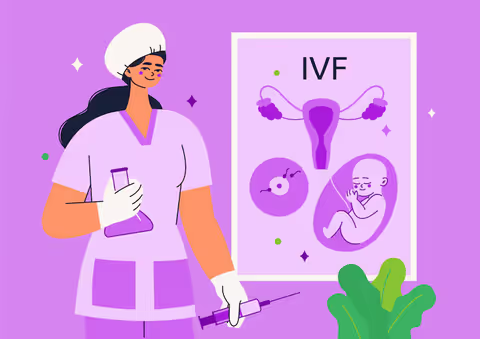
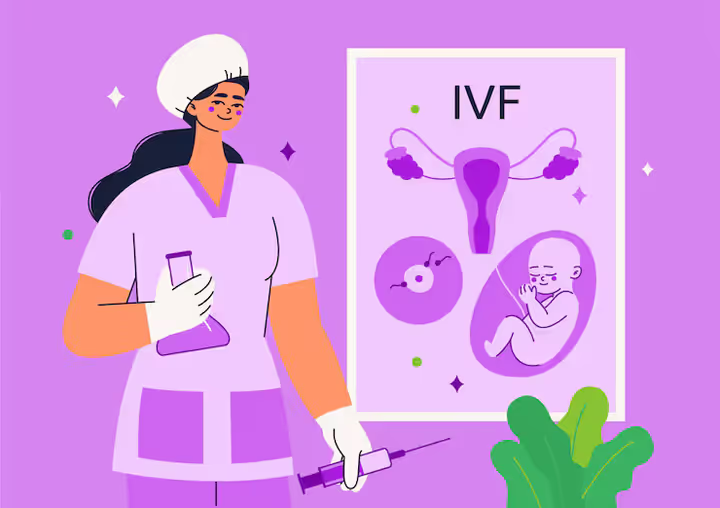
In Vitro Fertilization (IVF) and Assisted Reproduction are advanced medical techniques designed to help individuals and couples achieve pregnancy when natural conception is difficult. These methods are part of Assisted Reproductive Technology (ART), which includes several medical procedures that improve the chances of successful fertilization and pregnancy.
IVF involves collecting mature eggs from the ovaries and fertilizing them with sperm in a specialized laboratory. The resulting embryo is monitored for development before being transferred into the uterus. Assisted reproduction also includes techniques such as Intracytoplasmic Sperm Injection (ICSI), donor egg programs, donor sperm programs, embryo freezing, fertility preservation, and genetic embryo testing.
Modern reproductive medicine continues to improve pregnancy outcomes while focusing on patient safety, personalized treatment planning, and ethical medical practices.
How IVF & Assisted Reproduction Works
The IVF process follows several carefully planned stages. Medical specialists monitor each phase using advanced laboratory equipment and imaging technology.
Key Steps
- Initial fertility assessment
- Hormonal stimulation to encourage egg development
- Ultrasound monitoring
- Egg retrieval procedure
- Laboratory fertilization
- Embryo culture and monitoring
- Embryo transfer
- Pregnancy testing
- Follow-up care
Each treatment plan is customized based on age, reproductive health, medical history, and fertility evaluation.
Main Components of Assisted Reproduction
Assisted reproductive technology includes several medical procedures that address different fertility challenges.
Common Components
- In Vitro Fertilization (IVF)
- Intracytoplasmic Sperm Injection (ICSI)
- Intrauterine Insemination (IUI)
- Frozen Embryo Transfer (FET)
- Embryo Cryopreservation
- Egg Freezing
- Sperm Freezing
- Donor Egg Programs
- Donor Sperm Programs
- Embryo Donation
- Blastocyst Culture
- Preimplantation Genetic Testing (PGT)
- Fertility Preservation
These techniques may be used individually or combined depending on clinical recommendations.
Common Causes That May Lead to IVF
Many medical conditions may affect fertility in both women and men. Assisted reproduction offers options for addressing these challenges.
Common Fertility Conditions
- Blocked or damaged fallopian tubes
- Ovulation disorders
- Endometriosis
- Reduced ovarian reserve
- Male factor infertility
- Low sperm count
- Poor sperm motility
- Unexplained infertility
- Genetic disorders
- Previous unsuccessful fertility treatments
A comprehensive fertility evaluation helps determine the most appropriate treatment pathway.
Types of Assisted Reproductive Technology
Different reproductive technologies are available depending on individual medical needs.
| Technology | Primary Purpose | Common Use |
|---|---|---|
| IVF | Fertilization outside the body | Tubal factors, unexplained infertility |
| ICSI | Single sperm injected into an egg | Male infertility |
| IUI | Sperm placed inside uterus | Mild infertility cases |
| Frozen Embryo Transfer | Transfer previously frozen embryo | Future pregnancy attempts |
| Egg Freezing | Fertility preservation | Medical or personal planning |
| Sperm Freezing | Preserve sperm samples | Medical treatment before fertility risk |
| PGT | Screen embryos for genetic conditions | Genetic risk management |
Benefits of IVF & Assisted Reproduction
Advances in reproductive medicine have expanded treatment possibilities for many families.
Major Benefits
- Supports conception when natural pregnancy is difficult
- Helps address multiple infertility causes
- Enables fertility preservation
- Supports family planning
- Allows embryo freezing for future use
- Improves laboratory monitoring of embryo development
- Provides options for genetic screening
- Offers personalized treatment strategies
- Benefits individuals with certain medical conditions affecting fertility
Success depends on several medical factors including age, reproductive health, embryo quality, and overall health.
Technologies Used in Modern IVF Laboratories
Reproductive medicine has become increasingly technology-driven.
Advanced Technologies
- Time-lapse embryo imaging
- AI-assisted embryo assessment
- High-resolution ultrasound
- Digital laboratory management systems
- Laser-assisted hatching
- Cryopreservation equipment
- Automated embryo incubators
- Electronic witnessing systems
- Genetic sequencing technologies
- Digital fertility monitoring
These technologies help improve laboratory precision and patient safety.
Recent Developments (2025–2026)
Research and innovation continue to improve assisted reproduction worldwide.
Recent Trends
- Increased use of Artificial Intelligence for embryo selection during laboratory assessment.
- Greater adoption of non-invasive embryo evaluation techniques to reduce laboratory intervention.
- Expanded fertility preservation options for individuals undergoing medical treatments.
- Improvements in embryo freezing technology continue to support successful frozen embryo transfer cycles.
- Digital patient monitoring and telehealth consultations have become more common during treatment planning.
- Personalized ovarian stimulation protocols continue to improve treatment customization.
- Research into reproductive genetics continues to improve embryo assessment while supporting ethical medical practices.
These developments reflect ongoing efforts to improve treatment quality while maintaining patient safety.
Regulations and Ethical Considerations
IVF and assisted reproduction are regulated in many countries to promote patient safety, ethical practices, and laboratory quality.
Important regulatory areas typically include:
Key Regulatory Areas
- Fertility clinic licensing
- Laboratory quality standards
- Embryo handling procedures
- Donor screening requirements
- Patient informed consent
- Medical record protection
- Genetic testing guidelines
- Embryo storage regulations
- Ethical review processes
Healthcare providers must follow national regulations and professional clinical guidelines applicable in their region.
Useful Tools, Platforms, and Learning Resources
Several educational resources help patients understand reproductive medicine.
Helpful Resources
- Fertility education websites
- Reproductive medicine associations
- Medical journals
- Patient education guides
- Fertility tracking applications
- Ovulation monitoring tools
- Clinical guideline publications
- Medical research databases
- Women's reproductive health organizations
- Continuing medical education resources
Reliable information from qualified healthcare professionals remains essential for treatment decisions.
Choosing an Appropriate Treatment Plan
Treatment recommendations vary for every individual.
Factors Considered
- Age
- Overall reproductive health
- Hormone levels
- Ovarian reserve
- Sperm quality
- Previous medical history
- Genetic factors
- Duration of infertility
- Lifestyle factors
- Personal family planning goals
A personalized medical evaluation helps identify the most suitable treatment approach.
Frequently Asked Questions
Is IVF the same as assisted reproduction?
No. IVF is one type of assisted reproductive technology. Assisted reproduction includes several fertility treatments such as ICSI, IUI, embryo freezing, egg freezing, donor programs, and genetic embryo testing.
How long does a typical IVF cycle take?
An IVF cycle commonly takes around four to six weeks from ovarian stimulation to pregnancy testing, although timelines vary depending on the treatment plan.
Who may benefit from IVF?
IVF may be recommended for individuals experiencing tubal infertility, ovulation disorders, male infertility, unexplained infertility, certain genetic conditions, or reduced fertility associated with age.
What is embryo freezing?
Embryo freezing is a cryopreservation technique that preserves embryos at very low temperatures for future use. This allows additional pregnancy attempts without repeating every step of ovarian stimulation.
Are IVF procedures continually improving?
Yes. Ongoing medical research has introduced improvements in laboratory technology, embryo assessment, genetic testing, fertility preservation, and personalized treatment planning over recent years.
Conclusion
IVF and assisted reproduction have transformed modern reproductive medicine by providing advanced options for individuals and couples facing fertility challenges. Through specialized laboratory techniques, personalized treatment plans, and continuous medical innovation, assisted reproductive technology supports a wide range of fertility needs while maintaining strong clinical and ethical standards.
Recent developments in artificial intelligence, embryo assessment, fertility preservation, and laboratory automation continue to improve the quality of reproductive care. As research advances, IVF and related technologies are expected to become even more precise, personalized, and effective. Understanding how these treatments work enables patients to make informed healthcare decisions in consultation with qualified reproductive specialists.
Disclaimer: The information provided in this article is for informational purposes only. We do not make any claims or guarantees regarding the accuracy, reliability, or completeness of the information presented. The content is not intended as professional advice and should not be relied upon as such. Readers are encouraged to conduct their own research and consult with appropriate professionals before making any decisions based on the information provided in this article.