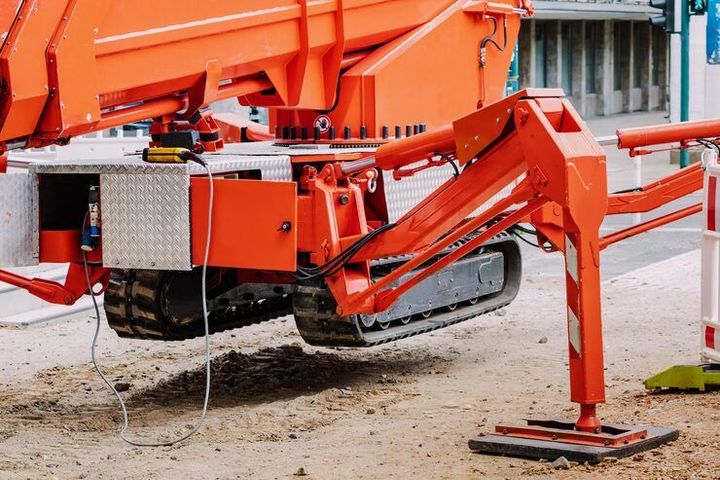
Trenchless Boring Machine: Overview of Modern Utility Installation
A trenchless boring machine is a specialized underground drilling system used to install pipes, cables, conduits, and utility lines without digging large open trenches. This technology reduces surface disruption while improving efficiency in urban infrastructure projects, transportation systems, and industrial construction.
Traditional excavation often requires extensive digging, road closures, and environmental disturbance. Trenchless boring technology solves these challenges by creating underground pathways with controlled drilling methods. These machines are widely used for water pipelines, telecommunications networks, sewer systems, gas pipelines, and electrical infrastructure.
As urban areas become more crowded and infrastructure demands increase, trenchless construction methods continue to gain importance across transportation, energy, and municipal engineering sectors.
How a Trenchless Boring Machine Works
A trenchless boring machine creates a horizontal or directional underground tunnel through controlled drilling operations. The process typically begins with a pilot bore that establishes the drilling path. After the pilot hole is completed, the bore is enlarged to accommodate the required utility line.
The system generally includes:
- Drill rig
- Rotating drill head
- Guidance and tracking system
- Hydraulic power unit
- Drill rods
- Reaming tools
- Fluid circulation system
The machine operator controls the drilling angle and direction using advanced navigation technology. Drilling fluid, often called bentonite slurry, helps cool the cutting tools, stabilize the bore path, and remove soil debris.
After the bore reaches the target endpoint, pipes or conduits are pulled back through the tunnel. This method minimizes surface excavation and reduces restoration work.
Major Types of Trenchless Boring Machines
Different trenchless boring systems are designed for specific ground conditions and project requirements.
Horizontal Directional Drilling Machines
- Commonly used for long-distance underground utility installation
- Suitable for roads, rivers, and urban crossings
- Uses steerable drilling technology
- Frequently applied in fiber optic and pipeline projects
Auger Boring Machines
- Operate with rotating augers inside steel casings
- Effective for straight-line boring
- Common in railway and highway crossings
- Suitable for stable soil conditions
Microtunneling Machines
- Remote-controlled tunneling systems
- High precision underground excavation
- Used in sewer and water infrastructure
- Suitable for densely populated areas
Pipe Jacking Systems
- Push prefabricated pipes through underground paths
- Often combined with microtunneling
- Used for large-diameter pipelines
- Effective in urban utility projects
Impact Moling Equipment
- Pneumatic boring systems for short-distance projects
- Compact and portable design
- Common in residential utility installations
- Effective in soft soil environments
Key Components and Features
Modern trenchless boring equipment includes advanced engineering systems that improve accuracy, safety, and operational efficiency.
| Component | Function |
|---|---|
| Drill Head | Cuts through soil and rock formations |
| Tracking System | Monitors drilling direction and depth |
| Hydraulic System | Powers machine movement and drilling force |
| Reamer | Enlarges pilot bore diameter |
| Mud Mixing System | Controls drilling fluid circulation |
| Pipe Pullback Assembly | Installs utility lines through completed bore |
| Control Console | Allows operator monitoring and adjustments |
Advanced systems now integrate digital monitoring, GPS-based tracking, automated pressure control, and real-time data analysis for improved project accuracy.
Importance of Trenchless Technology
Trenchless boring technology has become essential in modern infrastructure development because it minimizes environmental impact and reduces disruption in populated areas.
Major advantages include:
- Reduced traffic interruption
- Lower surface restoration requirements
- Faster project completion
- Improved worker safety
- Less environmental disturbance
- Better preservation of roads and landscapes
- Reduced impact on nearby businesses and utilities
Municipal governments and engineering contractors increasingly prefer trenchless systems for urban infrastructure modernization because they help maintain public transportation flow and reduce construction-related inconvenience.
Real-World Applications
Trenchless boring machines support a wide range of infrastructure sectors.
Water and Sewer Infrastructure
- Underground water main installation
- Sewer rehabilitation projects
- Stormwater drainage systems
- Municipal pipeline expansion
Telecommunications
- Fiber optic cable installation
- Underground broadband infrastructure
- Data communication networks
- Smart city technology deployment
Energy and Utilities
- Natural gas pipeline installation
- Electrical conduit systems
- Renewable energy transmission lines
- Underground power distribution
Transportation Projects
- Highway crossings
- Railway utility installation
- Airport infrastructure development
- Tunnel support systems
Industrial Construction
- Chemical plant utility systems
- Manufacturing facility pipelines
- Mining infrastructure
- Oil and gas distribution networks
Problems Solved by Trenchless Boring Machines
Traditional excavation methods create several operational and environmental challenges. Trenchless boring systems address these issues effectively.
Reduced Surface Damage
Large excavation projects can damage roads, sidewalks, landscaping, and buildings.
- Trenchless methods minimize surface impact by drilling below ground.
- Urban construction often causes road closures and delays.
- Underground boring significantly reduces transportation disruption.
Improved Environmental Protection
- Excavation can disturb ecosystems, waterways, and soil stability.
- Trenchless construction limits land disturbance and supports environmental compliance.
- Underground drilling allows utilities to be installed more efficiently, especially in crowded urban areas with existing infrastructure.
Better Safety Conditions
- Open trenches can create hazards for workers and pedestrians.
- Trenchless methods reduce exposure to excavation-related risks.
Recent Trends and Developments
The trenchless technology sector has experienced significant innovation during 2025 and 2026 due to increased infrastructure investment and smart construction initiatives.
Automation and Digital Monitoring
Recent drilling systems introduced in 2025 include:
- AI-assisted drilling path optimization
- Automated pressure monitoring
- Remote equipment diagnostics
- Real-time underground mapping
These technologies improve drilling precision and reduce operational downtime.
Sustainable Construction Practices
Many construction companies now use environmentally safer drilling fluids and energy-efficient hydraulic systems to reduce carbon emissions.
Global broadband expansion projects during 2025 increased demand for horizontal directional drilling equipment used in underground cable installation.
Smart Guidance Systems
Modern boring machines increasingly integrate:
- GPS tracking
- Laser guidance
- Digital terrain modeling
- 3D underground mapping software
These features improve accuracy in congested underground environments.
Compact Urban Drilling Equipment
Manufacturers recently developed smaller drilling rigs designed for narrow urban workspaces and residential infrastructure upgrades.
Regulations and Industry Standards
Trenchless boring operations must comply with construction, environmental, and utility regulations in many regions.
Important regulatory areas include:
Utility Location Requirements
- Contractors must identify existing underground utilities before drilling begins.
- Many countries require mandatory utility mapping and excavation clearance procedures.
- Projects near waterways, protected land, or urban areas often require environmental impact assessments and drilling fluid management plans.
Worker Safety Regulations
Construction safety standards typically govern:
- Equipment operation
- Confined space procedures
- Noise control
- Soil stability management
- Emergency response planning
Pipeline and Infrastructure Standards
Engineering organizations often establish technical standards for:
- Pipe installation
- Bore alignment accuracy
- Material durability
- Pressure testing
- Underground utility separation distances
Useful Tools and Learning Resources
Professionals and students interested in trenchless construction technology can explore various educational and technical resources.
Software and Digital Tools
- Underground utility mapping software
- Bore planning systems
- GIS infrastructure platforms
- Construction project management tools
- Digital terrain analysis software
Educational Resources
- Civil engineering publications
- Infrastructure technology journals
- Construction equipment training programs
- Underground utility engineering courses
- Industry association webinars
Technical Organizations
- Trenchless technology associations
- Civil engineering institutes
- Pipeline engineering organizations
- Utility infrastructure research groups
These resources help operators and engineers stay updated with safety standards, drilling methods, and technological advancements.
Maintenance and Operational Considerations
Proper maintenance is critical for safe and efficient trenchless boring operations.
Important Maintenance Areas
- Hydraulic system inspections
- Drill rod lubrication
- Tracking system calibration
- Cutter head replacement
- Fluid circulation cleaning
- Engine performance monitoring
Regular maintenance helps reduce equipment downtime and improves drilling accuracy.
FAQs
What is a trenchless boring machine used for?
A trenchless boring machine is used to install underground utilities such as pipelines, cables, and conduits without extensive surface excavation.
How deep can trenchless boring machines drill?
Depth capability depends on machine type and soil conditions. Some horizontal directional drilling systems can operate several hundred feet below ground level.
What industries use trenchless boring technology?
Industries include construction, telecommunications, municipal infrastructure, oil and gas, transportation, and energy distribution.
Is trenchless boring environmentally friendly?
Yes. Trenchless methods reduce surface disruption, minimize soil displacement, and lower environmental impact compared to traditional trench excavation.
What is the difference between trenchless boring and traditional excavation?
Traditional excavation requires open trenches across the surface, while trenchless boring creates underground paths with minimal digging and reduced disruption.
Conclusion
Trenchless boring machines have transformed underground construction by enabling efficient utility installation with limited surface disturbance. These systems support modern infrastructure development across transportation, telecommunications, water management, and energy sectors.
With advances in automation, digital tracking, and sustainable construction methods, trenchless technology continues to evolve rapidly. Urban expansion and increasing infrastructure demands are expected to further strengthen the role of underground boring systems in future engineering projects.
By reducing environmental impact, improving safety, and minimizing public disruption, trenchless boring machines remain an essential technology in modern civil engineering and underground utility construction.