Heavy Equipment Spare Parts Guide for Industrial Machinery Maintenance
Heavy equipment spare parts are replacement components used in large industrial machines such as excavators, bulldozers, cranes, loaders, forklifts, and mining equipment. These parts help maintain machine performance, reduce downtime, and support long-term operational efficiency.
Industries including construction, mining, agriculture, logistics, oil and gas, and manufacturing depend on heavy machinery for daily operations. Over time, machine components experience wear due to continuous use, harsh environments, and heavy workloads. Spare parts allow damaged or worn components to be replaced without changing the entire machine.
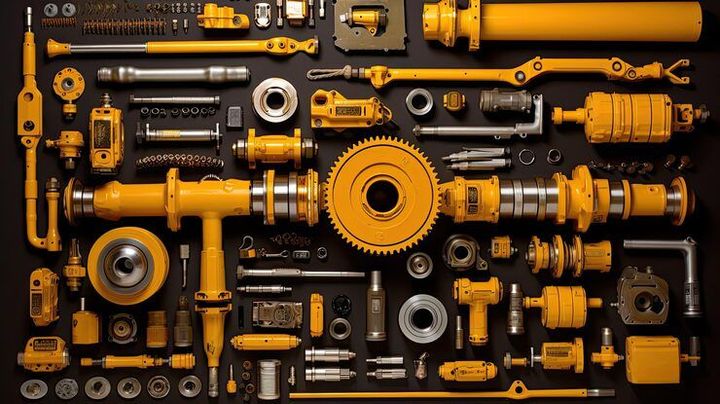
Heavy equipment spare parts can include mechanical components, hydraulic systems, engine assemblies, electronic control units, filters, belts, bearings, and structural elements. Proper replacement and maintenance improve equipment lifespan and workplace safety.
How Heavy Equipment Spare Parts Systems Work
Heavy equipment machinery contains interconnected systems that rely on individual components working together. When one part becomes damaged or inefficient, overall machine performance can decline.
Spare part management generally follows these steps:
| Spare Parts Process | Purpose |
|---|---|
| Inspection | Detects wear, cracks, leaks, or performance decline |
| Identification | Determines the correct replacement component |
| Inventory Tracking | Monitors available machine parts and stock levels |
| Installation | Replaces faulty or damaged components |
| Testing | Ensures the machine operates correctly after replacement |
| Maintenance Monitoring | Tracks future servicing needs |
Modern industrial equipment often uses sensors and fleet management software to identify maintenance requirements before major failures occur. This predictive maintenance approach helps organizations reduce operational interruptions.
Major Types of Heavy Equipment Spare Parts
Heavy machinery contains thousands of individual parts. These components are commonly divided into several categories based on machine function.
Engine Components
- Pistons
- Cylinder liners
- Turbochargers
- Fuel injectors
- Cooling system parts
- Engine control modules
Engine components support power generation and fuel efficiency in industrial equipment.
Hydraulic System Parts
- Hydraulic pumps
- Cylinders
- Valves
- Hoses
- Hydraulic seals
- Reservoir components
Hydraulic systems allow machines to lift, move, and operate attachments with controlled force.
Undercarriage Components
- Track chains
- Rollers
- Idlers
- Sprockets
- Track shoes
These parts are essential in crawler machines such as excavators and bulldozers.
Electrical and Electronic Parts
- Sensors
- Wiring harnesses
- Alternators
- Controllers
- Battery systems
- Display modules
Modern heavy equipment increasingly depends on digital systems for automation and diagnostics.
Wear Parts
- Bucket teeth
- Cutting edges
- Ground engaging tools
- Drill bits
- Blades
Wear parts are designed for repeated replacement because they experience direct contact with abrasive materials.
Importance of Spare Parts in Equipment Maintenance
Heavy equipment spare parts play a major role in operational continuity and machinery protection.
Reduced Downtime
- Replacing worn components quickly helps prevent long interruptions in industrial operations.
- Faulty machinery parts can increase workplace risks. Proper maintenance supports safer operating conditions.
Better Equipment Performance
- Well-maintained machines operate more efficiently and maintain stable productivity levels.
- Routine replacement of worn parts helps preserve expensive machinery investments over time.
- Organizations can schedule maintenance based on equipment condition rather than waiting for unexpected breakdowns.
Real-World Applications Across Industries
Heavy equipment spare parts are essential in many industrial environments.
Construction Industry
- Construction equipment uses replacement parts to maintain excavators, cranes, compactors, and loaders working on infrastructure projects.
- Mining equipment operates in extreme conditions involving dust, vibration, and heavy loads. Frequent replacement of wear parts is common.
- Agricultural machinery such as tractors and harvesters relies on hydraulic and engine components during seasonal operations.
Logistics and Warehousing
- Forklifts and material handling systems require regular maintenance for continuous warehouse operations.
- Heavy industrial systems in drilling and extraction environments use specialized spare parts designed for harsh operating conditions.
OEM and Aftermarket Spare Parts
Industrial operators generally choose between OEM and aftermarket replacement components.
OEM Parts
- Produced by the original equipment manufacturer
- Designed specifically for equipment models
- Often follow strict quality standards
- Commonly used in warranty-supported machinery
Aftermarket Parts
- Produced by third-party manufacturers
- Available for multiple equipment brands
- Can provide broader compatibility
- Often used in long-term maintenance programs
The choice depends on equipment age, operational requirements, compatibility, and maintenance policies.
Recent Trends in Heavy Equipment Spare Parts
The heavy machinery sector has experienced several technological developments during 2025 and 2026.
Predictive Maintenance Systems
- In 2025, many industrial operators expanded the use of IoT sensors and AI-driven maintenance platforms to monitor machinery condition in real time.
- These systems help detect overheating, pressure changes, and vibration abnormalities before failure occurs.
Digital Inventory Management
- Cloud-based inventory systems became more common in 2025 for tracking spare parts across multiple industrial sites.
- These systems improve supply chain visibility and maintenance scheduling.
3D Printing for Replacement Components
- Manufacturers increasingly explored additive manufacturing for producing specialized spare parts with shorter production timelines during 2025.
- Many organizations adopted refurbishment and remanufacturing practices to reduce industrial waste and support sustainability goals.
- Heavy machinery manufacturers introduced advanced telematics systems that automatically generate maintenance alerts and equipment health reports.
Regulations and Industry Standards
Heavy equipment maintenance and spare parts management are influenced by industrial safety and environmental standards.
Workplace Safety Regulations
Many countries require industrial equipment to meet workplace safety standards through regular inspections and maintenance procedures.
Engine replacement components often must comply with environmental emission standards for diesel-powered machinery.
Certified replacement parts are commonly required in sectors involving critical infrastructure and mining operations.
ISO Standards
International standards such as ISO 9001 and ISO 14224 are frequently used in maintenance management and reliability programs.
Organizations must also maintain accurate maintenance documentation for compliance and operational accountability.
Tools and Platforms Used in Spare Parts Management
Industrial operators use specialized software and tools for equipment maintenance and inventory management.
Common Maintenance Platforms
- Computerized Maintenance Management Systems (CMMS)
- Enterprise Asset Management software
- Fleet tracking platforms
- Predictive maintenance analytics systems
- Industrial IoT monitoring dashboards
Useful Learning Resources
- Equipment manufacturer technical manuals
- Industrial maintenance training programs
- Machinery safety documentation
- Engineering maintenance courses
- Industry association publications
These resources help technicians and operators understand equipment systems and maintenance procedures.
Challenges in Heavy Equipment Spare Parts Management
Industrial organizations often face several operational challenges related to spare parts.
Supply Chain Delays
Global shipping disruptions can affect the availability of specialized machinery components.
Incorrect part selection can lead to performance problems or equipment damage.
Inventory Management Complexity
Large industrial fleets may require thousands of unique components across multiple equipment models.
Low-quality imitation parts can reduce machine reliability and increase safety risks.
Modern equipment includes advanced electronics and software systems that require specialized diagnostic knowledge.
Future Outlook for Heavy Equipment Spare Parts
The heavy equipment industry continues moving toward automation, predictive maintenance, and digital asset management.
AI-Based Maintenance Forecasting
Artificial intelligence systems may improve maintenance accuracy by analyzing machine behavior patterns.
Connected equipment systems are expected to provide continuous health monitoring with minimal manual inspection.
Manufacturers are increasing focus on recyclable materials and remanufactured components.
Integrated Digital Supply Chains
Real-time logistics tracking may improve spare parts availability and maintenance coordination globally.
These developments are expected to improve operational reliability while reducing maintenance-related disruptions.
FAQs
What are heavy equipment spare parts?
Heavy equipment spare parts are replacement components used to repair or maintain industrial machinery such as excavators, loaders, cranes, and mining equipment.
Why are spare parts important in industrial machinery?
Spare parts help maintain machine efficiency, reduce downtime, improve safety, and extend equipment lifespan.
What is the difference between OEM and aftermarket parts?
OEM parts are produced by the original manufacturer, while aftermarket parts are produced by third-party companies for compatible equipment.
Which industries use heavy equipment spare parts?
Construction, mining, agriculture, manufacturing, logistics, and oil and gas industries commonly rely on heavy equipment replacement components.
How do predictive maintenance systems help machinery management?
Predictive maintenance systems use sensors and data analysis to identify potential equipment issues before major failures occur.
Conclusion
Heavy equipment spare parts are essential for maintaining industrial machinery performance, operational continuity, and workplace safety. From engine systems and hydraulic components to electronic controls and wear parts, these replacement components support critical operations across multiple industries.
Modern maintenance strategies increasingly rely on predictive analytics, IoT monitoring, and digital inventory management to improve equipment reliability. At the same time, industry regulations and safety standards continue shaping how organizations manage machinery maintenance programs.
As industrial technology evolves, heavy equipment spare parts management is expected to become more connected, data-driven, and efficient, helping organizations maintain productivity while reducing operational risks.