Explore Diamond Tennis Bracelets for Modern Fashion Trends
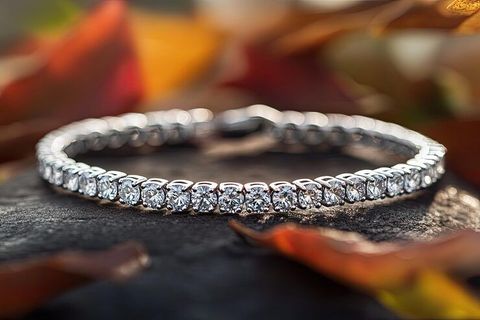
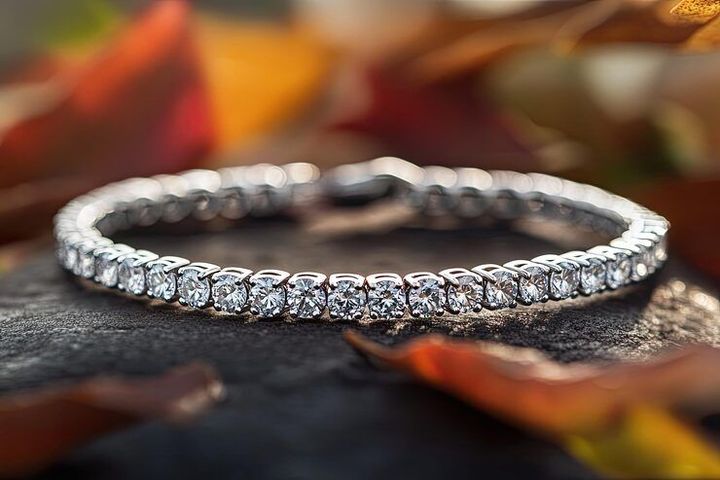
Diamond tennis bracelets are elegant jewellery pieces made with a continuous line of diamonds connected through a flexible chain structure. These bracelets are widely recognized for their balanced appearance, timeless design, and versatility in both formal and casual fashion.
The term “tennis bracelet” became popular after professional tennis player Chris Evert reportedly lost her diamond bracelet during a tennis match in the late 1970s. Since then, the design has become closely associated with refined jewellery collections and modern luxury accessories.
Diamond tennis bracelets are valued for their clean symmetry and flexible construction. They are commonly worn during weddings, business events, celebrations, and daily fashion styling. Over time, these bracelets have evolved with new diamond-cutting methods, ethical sourcing standards, and modern jewellery craftsmanship.
Structure and Design of Diamond Tennis Bracelets
A diamond tennis bracelet is designed with individually set diamonds linked together in a continuous row. The bracelet typically includes a secure clasp and flexible joints that allow smooth movement around the wrist.
Common Components
- Diamond settings
- Precious metal chain links
- Safety clasp mechanism
- Flexible articulation joints
- Polished finishing surface
Popular Metal Choices
- White gold
- Yellow gold
- Rose gold
- Platinum
- Sterling silver
Common Diamond Shapes
- Round cut
- Princess cut
- Oval cut
- Emerald cut
- Cushion cut
The arrangement of stones influences the bracelet’s visual appearance and light reflection. Round-cut diamonds remain among the most widely used due to their sparkle and classic appeal.
Types of Diamond Tennis Bracelets
Different bracelet styles are available based on design preferences, stone arrangement, and craftsmanship.
| Type | Main Characteristics | Common Usage |
|---|---|---|
| Classic Tennis Bracelet | Single row of diamonds with symmetrical design | Formal and daily wear |
| Multi-Row Bracelet | Multiple diamond rows for bold appearance | Events and celebrations |
| Colored Diamond Bracelet | Includes fancy colored diamonds or gemstones | Fashion styling |
| Lab-Grown Diamond Bracelet | Uses laboratory-created diamonds | Sustainable jewellery collections |
| Vintage Inspired Bracelet | Features antique patterns and detailing | Traditional and heritage fashion |
Importance of Diamond Tennis Bracelets
Diamond tennis bracelets are considered important in jewellery collections because they combine elegance, flexibility, and durability. Their timeless design allows them to remain fashionable across changing trends.
Many people choose these bracelets because they can complement different clothing styles without appearing overly decorative. They also represent craftsmanship and attention to detail in jewellery making.
Reasons for Popularity
- Timeless appearance
- Comfortable wrist fit
- Versatile styling options
- Long-lasting jewellery design
- Suitable for different occasions
In addition to fashion use, these bracelets are often associated with anniversaries, milestone celebrations, and family heirloom collections.
Real-World Use Cases
Diamond tennis bracelets are used in many fashion and lifestyle settings. Their simple yet sophisticated structure makes them adaptable across age groups and cultural preferences.
Common Usage Scenarios
- Wedding ceremonies
- Corporate gatherings
- Evening events
- Fashion photography
- Everyday jewellery styling
Celebrities, athletes, and public figures frequently wear tennis bracelets during public appearances because the design balances elegance with subtle luxury.
How Diamond Tennis Bracelets Solve Practical Jewellery Challenges
Modern jewellery users often seek accessories that combine style with durability. Diamond tennis bracelets address several common concerns through their flexible and secure construction.
Problems Addressed
- Improved comfort during extended wear
- Secure clasp systems for safety
- Flexible movement around the wrist
- Balanced diamond placement
- Lightweight luxury appearance
Many modern bracelet designs also include reinforced clasp technology and additional safety latches to reduce accidental detachment.
Diamond Quality Factors
The quality of a diamond tennis bracelet depends largely on the diamonds used and the craftsmanship involved.
Important Diamond Factors
- Cut quality
- Clarity
- Color grade
- Carat weight
- Diamond symmetry
Jewellers often evaluate these factors using internationally recognized grading standards from organizations such as the Gemological Institute of America.
Common Bracelet Setting Styles
- Prong setting
- Bezel setting
- Channel setting
- Pavé setting
Each setting style affects durability, sparkle, and maintenance requirements.
Jewellery Trends and Developments
The diamond jewellery industry has experienced several notable developments during 2025 and 2026. Jewellery brands and designers are focusing more on sustainability, customization, and ethical sourcing practices.
Recent Developments
- Increased use of lab-grown diamonds in 2025
- Rising popularity of minimalist bracelet designs
- Advanced laser precision in diamond setting
- Greater interest in recycled precious metals
- Expansion of personalized engraving features
Industry reports from 2025 also show increased consumer awareness regarding responsible diamond sourcing and environmental impact reduction.
Another growing trend involves combining diamonds with colored gemstones to create modern mixed-stone tennis bracelet styles.
Ethical Sourcing and Jewellery Standards
Ethical sourcing has become an important topic in the jewellery industry. Many jewellery manufacturers now follow international standards to improve transparency in diamond sourcing.
Important Industry Standards
- Kimberley Process Certification Scheme
- Responsible Jewellery Council guidelines
- Conflict-free diamond sourcing practices
- Precious metal recycling initiatives
The Kimberley Process was created to reduce the circulation of conflict diamonds in international markets. Many jewellery companies now highlight compliance with these standards.
Consumers are also paying closer attention to sustainability disclosures and gemstone origin documentation.
Care and Maintenance
Proper maintenance helps preserve the appearance and durability of diamond tennis bracelets.
Useful Care Practices
- Store separately from other jewellery
- Clean with mild soap and soft cloth
- Avoid exposure to harsh chemicals
- Inspect clasp security regularly
- Use professional cleaning periodically
Regular maintenance can reduce wear on bracelet links and maintain the brilliance of diamonds over time.
Learning Resources and Jewellery Platforms
Several educational platforms and jewellery organizations provide information about diamonds, gemstone grading, and jewellery craftsmanship.
Useful Resources
- Gemological Institute of America
- International Gem Society
- Responsible Jewellery Council
- Jewellery design learning platforms
- Diamond grading certification resources
Helpful Digital Tools
- Diamond grading comparison tools
- Jewellery visualization software
- Gemstone certification databases
- Virtual bracelet customization platforms
These resources help learners understand diamond quality standards, jewellery terminology, and modern manufacturing methods.
Diamond Tennis Bracelets in Fashion Culture
Diamond tennis bracelets continue to maintain strong visibility in global fashion culture. Designers often combine these bracelets with watches, layered jewellery styles, and minimalist accessories.
Fashion trends in 2026 increasingly focus on adaptable jewellery pieces that work across both traditional and modern styling approaches.
Social media platforms and digital fashion campaigns have also contributed to the popularity of stackable bracelet styling techniques.
FAQs
What makes a bracelet a tennis bracelet?
A tennis bracelet features a symmetrical line of individually connected diamonds or gemstones arranged in a flexible bracelet structure.
Are lab-grown diamonds used in tennis bracelets?
Yes. Many modern tennis bracelets now use lab-grown diamonds because they offer similar physical characteristics to natural diamonds.
Which metal is commonly used for diamond tennis bracelets?
White gold, yellow gold, rose gold, and platinum are among the most common metal choices.
How should diamond tennis bracelets be cleaned?
They are typically cleaned using mild soap, warm water, and a soft cloth. Professional cleaning may also help maintain long-term brilliance.
Why are tennis bracelets popular in fashion?
Their timeless appearance, versatility, and elegant structure make them suitable for both casual and formal wear.
Conclusion
Diamond tennis bracelets remain one of the most recognized jewellery designs due to their elegant structure, flexibility, and timeless appeal. Their continuous diamond arrangement offers a balanced combination of sophistication and practicality for different fashion settings.
Modern developments in jewellery craftsmanship, ethical sourcing, and lab-grown diamond technology continue to shape the future of tennis bracelet design. As consumer awareness grows, the industry is placing greater emphasis on sustainability, transparency, and customization.
Whether used for personal styling, milestone celebrations, or long-term jewellery collections, diamond tennis bracelets continue to hold an important place in contemporary jewellery culture.