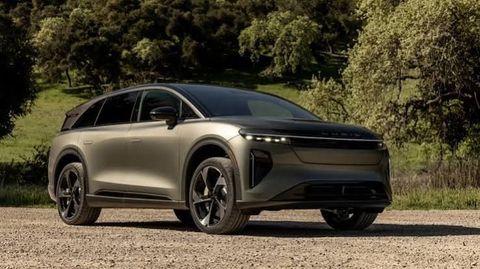
Bugatti: An Explore of Hypercar Engineering and Automotive Innovation
Bugatti is one of the world's most recognized automotive manufacturers, known for creating high-performance hypercars that combine advanced engineering, distinctive design, and exceptional craftsmanship. Founded in 1909 by Ettore Bugatti, the company has established a reputation for producing vehicles that push the boundaries of speed, technology, and automotive innovation.
Today, Bugatti represents a blend of heritage and modern engineering. Its vehicles are designed to achieve remarkable performance while maintaining comfort, precision, and attention to detail. The brand continues to influence the automotive industry through technological advancements and innovative vehicle development.
The Origins of Bugatti
Bugatti was established in 1909 in Molsheim by Ettore Bugatti, an Italian-born designer and engineer. From its earliest years, the company focused on creating vehicles that combined artistic design with engineering excellence.
Over the decades, Bugatti became known for producing racing cars and luxury automobiles that gained international recognition. The brand experienced several ownership changes throughout its history before being revived in the late twentieth century.
The modern era of Bugatti began with renewed investment in advanced engineering and performance technologies, leading to the development of some of the fastest production vehicles ever created.
How Bugatti Is Structured
Bugatti operates as a specialized automotive manufacturer focused on hypercar development and production. Its operations typically involve:
Research and Development
Vehicle engineering
Aerodynamics testing
Powertrain innovation
Materials science research
Performance optimization
Design and Craftsmanship
Exterior styling
Interior customization
Material selection
Precision manufacturing
Quality assurance
Production Operations
Component assembly
Vehicle testing
Performance validation
Safety inspections
Final delivery preparation
This structure allows Bugatti to maintain strict quality standards while producing highly specialized vehicles.
Key Milestones in Bugatti History
| Year | Milestone | Significance |
|---|---|---|
| 1909 | Company founded by Ettore Bugatti | Beginning of the Bugatti legacy |
| 1924 | Introduction of Type 35 | Successful racing vehicle |
| 1991 | Brand revival efforts begin | Return to modern automotive development |
| 2005 | Introduction of Veyron | New benchmark for performance vehicles |
| 2016 | Launch of Chiron | Advanced engineering and speed capabilities |
| 2024 | Tourbillon unveiled | New generation hybrid hypercar technology |
Core Engineering Principles
Bugatti vehicles are developed around several engineering principles that distinguish them from conventional automobiles.
Performance Excellence
High-output powertrains
Advanced aerodynamics
Lightweight materials
Precision handling systems
High-speed stability
Craftsmanship
Hand-finished interiors
Detailed quality control
Premium materials
Customized specifications
Specialized assembly processes
Innovation
Advanced cooling systems
Performance-focused electronics
Aerodynamic optimization
Hybrid technology integration
Next-generation vehicle architecture
Notable Bugatti Models
Throughout its history, Bugatti has produced several influential vehicles.
Bugatti Type 35
The Type 35 became one of the most successful racing cars of its era. It demonstrated Bugatti's commitment to performance engineering and helped establish the brand's reputation.
Bugatti Veyron
Introduced in the twenty-first century, the Veyron set new standards for production vehicle performance. It showcased advanced engineering solutions capable of managing extraordinary power output.
Bugatti Chiron
The Chiron continued Bugatti's performance legacy with improvements in aerodynamics, handling, and engineering refinement. It became one of the most recognized hypercars globally.
Bugatti Tourbillon
Unveiled in 2024, the Tourbillon represents a new chapter for the company. It combines advanced hybrid technology with naturally aspirated engine engineering and modern performance systems.
Technologies Used in Modern Bugatti Vehicles
Modern Bugatti vehicles incorporate numerous technologies designed to enhance performance, safety, and efficiency.
Powertrain Systems
High-performance combustion engines
Hybrid propulsion technology
Advanced transmission systems
Torque management controls
Performance calibration software
Aerodynamic Solutions
Active aerodynamic elements
Airflow optimization
Stability enhancement systems
Downforce management
Drag reduction technologies
Materials Engineering
Carbon fiber structures
Lightweight alloys
Advanced composites
High-strength materials
Heat-resistant components
Digital Systems
Vehicle monitoring platforms
Driver information displays
Performance analytics
Electronic control systems
Connectivity technologies
Why Bugatti Is Important in the Automotive Industry
Bugatti plays a significant role in automotive innovation. While its production volumes are limited, its engineering achievements often influence broader industry developments.
The company serves as a testing ground for advanced technologies that may eventually contribute to improvements in performance, efficiency, and manufacturing techniques across the automotive sector.
Its vehicles also demonstrate how engineering, design, and craftsmanship can be integrated into a single product.
Real-World Applications of Bugatti Innovations
Technologies developed for hypercars frequently inspire advancements in other automotive segments.
Examples of Industry Influence
Lightweight construction techniques
Aerodynamic research
Advanced braking systems
Performance electronics
High-strength material applications
These innovations help improve vehicle performance, efficiency, and safety throughout the automotive industry.
Challenges Addressed by Bugatti Engineering
Developing high-performance vehicles requires solving numerous technical challenges.
Key Challenges
Managing extreme power output
Maintaining vehicle stability
Optimizing cooling systems
Reducing vehicle weight
Enhancing aerodynamic efficiency
Bugatti engineers continuously develop solutions to address these challenges while preserving reliability and driving precision.
Recent Developments and Trends (2024–2026)
The automotive industry continues to evolve, and Bugatti remains involved in several important trends.
Hybrid Performance Technology (2024)
The unveiling of the Tourbillon highlighted the increasing adoption of hybrid systems in high-performance vehicles. The approach combines electrification with traditional engine engineering.
Sustainable Engineering Focus (2024–2025)
Automotive manufacturers are placing greater emphasis on sustainable materials, energy-efficient production methods, and environmental responsibility.
Advanced Digital Integration (2025)
Vehicle software, driver interfaces, and connected technologies continue to become more sophisticated, improving user experience and performance monitoring.
Next-Generation Manufacturing (2025–2026)
Precision manufacturing techniques and advanced materials are enabling more efficient production and enhanced vehicle capabilities.
Regulations and Industry Standards
Automotive manufacturers, including hypercar producers, operate under various regulations and standards.
Common Regulatory Areas
Vehicle safety standards
Emissions requirements
Environmental compliance
Manufacturing regulations
Testing and certification procedures
Compliance with these requirements helps ensure that vehicles meet applicable legal and safety expectations in different markets.
Learning Resources for Automotive Enthusiasts
Individuals interested in automotive engineering and hypercar technology can explore several educational resources.
Useful Resources
Automotive engineering textbooks
Vehicle dynamics courses
Aerodynamics training materials
Manufacturing technology programs
Industry research publications
Popular Learning Platforms
Coursera
edX
Udemy
MIT OpenCourseWare
SAE International educational resources
These platforms provide insights into engineering principles relevant to modern vehicle development.
FAQ
What makes Bugatti different from other automotive manufacturers?
Bugatti focuses on producing hypercars that combine advanced engineering, high-performance capabilities, luxury craftsmanship, and innovative technologies.
What is a hypercar?
A hypercar is an extremely high-performance automobile designed with advanced engineering, exceptional speed capabilities, and cutting-edge technologies.
What is the Bugatti Tourbillon?
The Tourbillon is Bugatti's latest hypercar generation, introduced in 2024. It incorporates hybrid technology and advanced engineering solutions.
Why are Bugatti vehicles important to automotive innovation?
Bugatti often develops and tests advanced technologies that contribute to broader automotive engineering progress, particularly in performance, materials, and aerodynamics.
Does Bugatti focus only on speed?
No. While performance is a major focus, Bugatti also emphasizes design, craftsmanship, engineering precision, comfort, and technological innovation.
Conclusion
Bugatti remains one of the most influential names in automotive history. From its origins under Ettore Bugatti to its modern hypercar developments, the company has consistently pursued engineering excellence and innovation. Through advanced technologies, precision manufacturing, and groundbreaking vehicle design, Bugatti continues to shape discussions around performance engineering and automotive progress. As hybrid systems, digital technologies, and advanced materials evolve, Bugatti is likely to remain an important contributor to the future of high-performance mobility.