Discover Luxury Handbag Trends in Contemporary Fashion
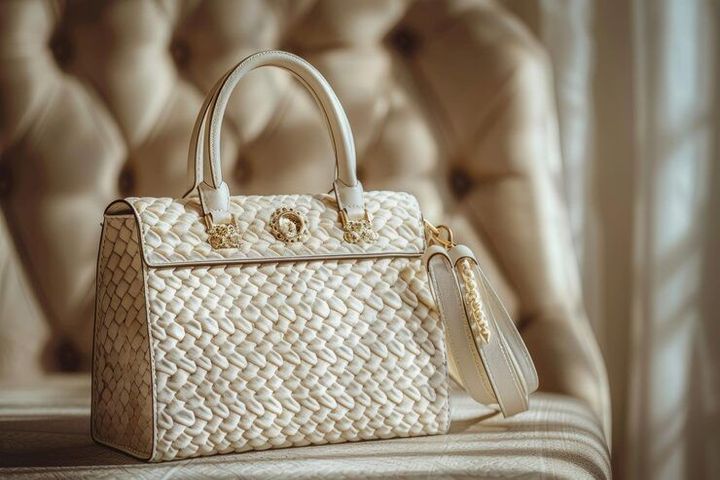
A luxury handbag is a premium fashion accessory designed with high-quality materials, detailed craftsmanship, and long-lasting construction. These handbags are commonly associated with refined style, durability, and functionality. They are often created using premium leather, innovative textiles, metal hardware, and carefully structured designs.
Luxury handbags are used for both practical and aesthetic purposes. In everyday life, they help organize personal items such as phones, wallets, cosmetics, and documents. In fashion, they represent personal style, social identity, and evolving design trends.
The global luxury fashion industry continues to expand due to increasing interest in premium lifestyle products, sustainable materials, and digital fashion experiences. Many consumers now focus on quality, longevity, and timeless design rather than fast-changing seasonal products.
How Luxury Handbags Are Structured
Luxury handbags are developed through a combination of fashion design, material engineering, and handcrafted production techniques. Every component contributes to the handbag’s appearance, durability, and functionality.
Key Components
- Exterior material such as leather, suede, canvas, or recycled textiles
- Interior lining for protection and organization
- Metal hardware including zippers, clasps, and chains
- Reinforced stitching for structural strength
- Handles or straps for carrying comfort
- Compartments and pockets for storage efficiency
The production process usually involves material selection, pattern design, cutting, stitching, assembly, finishing, and quality inspection. High-end manufacturers often use handcrafted methods that require skilled artisans and specialized equipment.
Popular Types of Luxury Handbags
Luxury handbags are available in many forms to suit different occasions and lifestyles.
| Handbag Type | Common Features | Typical Usage |
|---|---|---|
| Tote Bag | Large storage capacity and open design | Daily use and travel |
| Shoulder Bag | Comfortable shoulder straps | Office and casual wear |
| Crossbody Bag | Adjustable long strap | Hands-free convenience |
| Clutch Bag | Compact and elegant | Formal events |
| Satchel Bag | Structured shape with handles | Professional settings |
| Mini Bag | Small and lightweight | Fashion styling and social outings |
Different styles appeal to different users depending on storage needs, fashion preferences, and mobility requirements.
Materials Commonly Used in Luxury Handbags
Material quality plays a major role in defining the performance and appearance of a luxury handbag. Premium materials are selected for durability, texture, and visual appeal.
Common Material Choices
- Full-grain leather known for strength and natural texture
- Top-grain leather with smooth finishing
- Suede for a soft and elegant appearance
- Canvas for lightweight flexibility
- Vegan leather alternatives made from plant-based or recycled materials
- Metal accents for decorative and structural purposes
In recent years, sustainable fashion innovation has introduced eco-friendly materials such as mushroom leather, cactus leather, and recycled ocean plastics. These alternatives are becoming increasingly popular among environmentally conscious consumers.
Importance of Craftsmanship in Luxury Handbags
Craftsmanship is one of the most important characteristics of a luxury handbag. Skilled artisans carefully construct each component to ensure precision and durability.
High-quality stitching reduces wear and extends product lifespan. Reinforced edges help maintain shape over time. Premium hardware improves reliability and resistance to corrosion.
Attention to detail also improves user experience. Smooth zippers, organized compartments, and ergonomic straps contribute to both functionality and comfort.
Luxury craftsmanship is often associated with:
Key Craftsmanship Features
- Hand-stitched detailing
- Precision edge finishing
- Symmetrical construction
- Durable hardware installation
- High-quality interior lining
- Long-lasting structural support
These elements differentiate luxury handbags from mass-produced accessories.
Real-World Uses of Luxury Handbags
Luxury handbags are used across many professional, social, and travel environments. Their design often balances style with practical organization.
Professionals may use structured handbags for carrying documents, tablets, and personal items during work activities. Travelers may prefer larger tote bags with organized storage sections. Evening events often involve smaller clutch bags designed for lightweight carrying.
Luxury handbags also support fashion styling in media, entertainment, and influencer culture. Social media platforms and digital fashion campaigns have increased global visibility for premium accessories.
Problems Luxury Handbags Help Solve
Luxury handbags are not only fashion items but also practical organizational tools. Modern designs address several everyday challenges.
Common Problems Addressed
- Limited storage organization
- Difficulty carrying personal items efficiently
- Need for durable long-term accessories
- Balancing fashion with functionality
- Requirement for professional appearance
- Protection of valuable belongings
Advanced handbag designs now include anti-scratch materials, water-resistant coatings, RFID-blocking pockets, and modular storage systems.
Recent Trends in Luxury Handbags
The luxury handbag industry has experienced significant transformation during 2025 and 2026. Fashion brands are increasingly integrating sustainability, digital technology, and personalization into product design.
One major trend is the growing demand for sustainable luxury fashion. Consumers now pay closer attention to ethical sourcing, recyclable materials, and environmentally responsible manufacturing practices.
Another trend is the rise of quiet luxury. Instead of highly visible logos, many modern handbags focus on minimalist aesthetics, neutral tones, and timeless construction.
Recent Developments
- Increased use of recycled and bio-based materials in 2025
- Expansion of AI-assisted fashion personalization tools
- Growing interest in gender-neutral handbag designs
- Integration of smart tracking technology in premium accessories
- Popularity of lightweight multifunctional handbags
- Greater emphasis on supply chain transparency
Fashion analysts in 2026 also report growing demand for durable investment-style accessories designed for long-term use rather than seasonal replacement.
Regulations and Sustainability Policies
Luxury fashion companies increasingly follow international environmental and consumer protection standards.
Several regions now encourage stricter transparency in sourcing and manufacturing. Sustainability regulations focus on reducing waste, improving material traceability, and lowering carbon emissions.
Examples include:
Important Industry Standards
- Environmental compliance for leather processing
- Sustainable sourcing certifications
- Chemical safety regulations for textile production
- Ethical labor standards in manufacturing facilities
- Packaging waste reduction initiatives
Many luxury brands also publish sustainability reports outlining their environmental goals and supply chain practices.
Digital Technology and Luxury Handbags
Technology is influencing the luxury handbag sector in several ways. Digital authentication systems help verify product originality and reduce counterfeit distribution.
Artificial intelligence tools are also being used in fashion trend forecasting and personalized styling recommendations. Some luxury brands now integrate NFC chips or QR-based authentication systems into handbags for traceability and ownership verification.
Augmented reality shopping experiences have become more common since 2025, allowing users to visualize handbag styles virtually before making decisions.
Useful Platforms and Learning Resources
Several educational resources help users understand luxury fashion, handbag care, and accessory design.
Helpful Resources
- Fashion design institutes and online learning platforms
- Sustainable fashion research publications
- Leather care and material maintenance guides
- Luxury fashion trend analysis websites
- Fashion technology and digital authentication resources
- Online communities focused on craftsmanship and accessory design
These resources provide valuable insights into materials, maintenance, and industry developments.
Caring for a Luxury Handbag
Proper maintenance can significantly extend the lifespan of a luxury handbag. Different materials require different care techniques.
Maintenance Recommendations
- Store handbags in dust bags when not in use
- Avoid prolonged exposure to direct sunlight
- Keep leather moisturized with approved conditioners
- Protect handbags from excessive moisture
- Clean hardware carefully using soft cloth materials
- Avoid overloading structured handbags
Regular maintenance preserves shape, texture, and overall appearance.
Luxury Handbags and Sustainable Fashion
Sustainability has become a major topic within the luxury accessory industry. Consumers increasingly prioritize quality over fast consumption patterns.
Luxury handbags with durable construction often remain functional for many years, supporting slower and more responsible fashion habits. Recycled materials and eco-conscious production techniques are expected to expand further during the coming years.
Industry experts predict continued innovation in biodegradable materials and low-impact manufacturing systems.
FAQs
What makes a handbag considered luxury?
Luxury handbags are typically made using premium materials, advanced craftsmanship, durable construction methods, and refined design standards.
Are sustainable luxury handbags becoming more common?
Yes. Many brands introduced eco-friendly materials and sustainable production methods during 2025 and 2026 to meet environmental goals and consumer expectations.
Which material is most commonly used in luxury handbags?
Full-grain leather remains one of the most widely used materials due to its durability, texture, and long-term performance.
How can luxury handbags maintain their quality over time?
Proper storage, regular cleaning, controlled moisture exposure, and careful handling help preserve appearance and structural integrity.
Why are minimalist handbag designs becoming popular?
Minimalist designs align with the quiet luxury trend, which emphasizes timeless elegance, subtle aesthetics, and long-lasting usability.
Conclusion
Luxury handbags combine fashion, craftsmanship, functionality, and material innovation into a single accessory category. They serve both practical and stylistic purposes across professional, social, and travel environments. Modern handbag design increasingly focuses on sustainability, digital authentication, lightweight construction, and timeless aesthetics.
As fashion trends continue evolving, luxury handbags remain important lifestyle accessories that reflect changing consumer priorities, including durability, responsible production, and personalized style. Understanding materials, construction methods, maintenance practices, and industry developments can help individuals make informed decisions about premium fashion accessories and long-term usage.